A new phase is unfolding in the high-profile trial over the actions of authorities during the devastating dana in the Valencian Community, heard in the court of Catarroja. The judge has ordered a face-to-face confrontation between former government adviser Salomé Pradas and the ex-chief of staff to the head of the autonomous region, Carlos Mazón—José Manuel Cuenca. This decision comes after contradictions emerged in their testimonies, as well as in the evidence presented, including messenger correspondence.
The initiative for a confrontation came from representatives of a civic organization involved in the proceedings. In her ruling, the judge emphasized that only in the courtroom can it be definitively established to what extent both parties’ statements align with the evidence submitted. Special attention is being paid to differences in the interpretation of events on October 29, 2024, when the region faced extreme weather conditions.
Conflicting testimonies
The case features notarized WhatsApp correspondence between Pradas and Cuenca, submitted by the defense of the former adviser. These messages discussed the regional situation and possible response measures, including whether it was necessary to inform the head of government. However, according to Cuenca, his position and the tone of the messages were different from what Pradas claims. He maintains that the exchange is taken out of context, and his latest testimony completely contradicts the ex-adviser’s account.
Pradas herself previously stated publicly that she had been ordered not to disturb Mazón at a critical moment, when the DANA situation escalated. According to her, it was Cuenca who gave her this order around two in the afternoon. These claims sparked significant public reaction and became the subject of separate debate both in court and in society.
The role of leadership
In her decision, the judge refers to a ruling by the provincial court of Valencia from October 2025, which emphasized the importance of clarifying how decisions were made that day. The document notes that the president of the autonomous community has the authority to coordinate and issue instructions to members of the government. Therefore, clarifying the details of communication between Pradas and Cuenca is especially important for understanding the entire chain of command and decision-making.
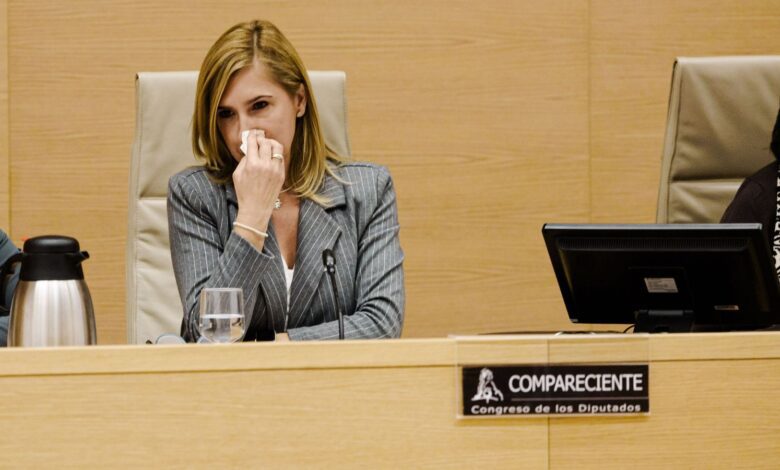
A key point was that during the investigation, Pradas gave different explanations: at first, she answered only her lawyer’s questions, then made statements to the press, and later spoke before a parliamentary commission, where her position changed again. The judge noted that such a “mix” of accounts makes it impossible to objectively assess the credibility of her statements without directly comparing them to Cuenca’s testimony.
Investigative actions
The court has recognized face-to-face confrontation as an extraordinary measure, but in this case, it was deemed necessary. The judge believes that only a direct meeting between the two key participants can uncover the truth on the most critical issues of the investigation. The date for the procedure has not yet been set, but all parties involved have already been notified of the decision.
The ruling specifically states that parties have the right to appeal: there are three days to file a procedural complaint and five days to lodge an appeal. The Ministry of Justice and all parties involved have received the appropriate notification.
Case background
The case concerning the authorities’ actions during the day became one of the most discussed topics in the Valencian Community in recent years. The focus is not only on the effectiveness of the emergency response but also on the transparency of high-level decision-making. The face-to-face meeting between Pradas and Cuenca could be a pivotal point in the investigation, potentially shedding light on how events unfolded on that critical day.