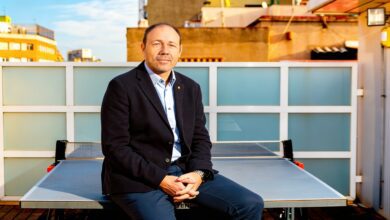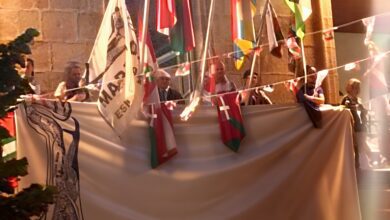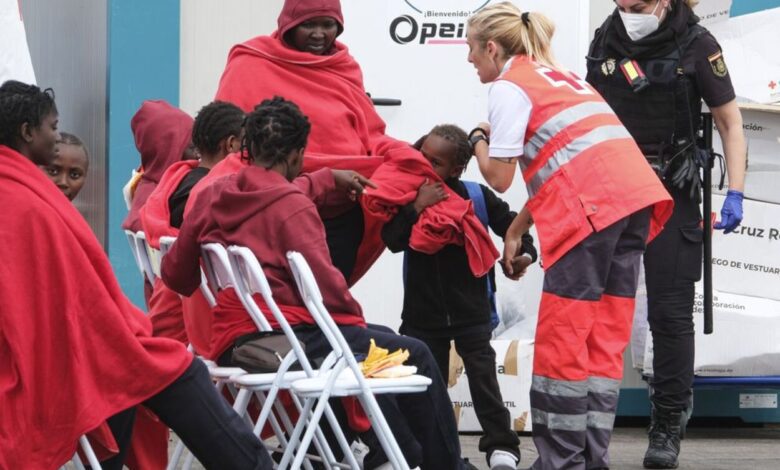
The authorities of the autonomous community of La Rioja have decided to purchase the former San Agustín monastery building in Logroño to accommodate unaccompanied minor migrants. Regional government spokesperson Alfonso Domínguez stated that this step was a necessary measure in response to new requirements issued by Spain’s central government. According to him, the region was forced to adjust its established support system for vulnerable children and adolescents.
Domínguez noted that, until now, La Rioja had its own model for working with minors in difficult life situations. This approach focused on individualized care and placement in small, specialized centers. However, the official said that the region now has to adapt to new conditions set at the national level and formalized as mandatory regulations.
Changes in the approach
According to the government representative, the region faces uncertainty: it is unknown exactly how many unaccompanied minor migrants will arrive or when this will happen. The authorities are having to quickly restructure infrastructure to be ready to receive new children. Domínguez emphasized that the decision to purchase the monastery was made in the absence of clear information and the need to respond swiftly to a changing situation.
The San Agustín Monastery, which will soon serve as a new center for unaccompanied minor migrants, was chosen for its capacity and its adaptability to the needs of social services. Two million euros, sourced from European funds, have been allocated for the purchase and renovation of the facility. After the migrant support program concludes, the property will remain under the ownership of the government of La Rioja and will be used for other community purposes.
Reaction and Outlook
Regional authorities emphasize that there was no alternative: new rules established by the central government require autonomous communities to accept unaccompanied minor migrants according to a set quota. Domínguez noted that local agencies had to urgently find a suitable location and ensure all necessary conditions for the children’s accommodation and integration.
At the same time, concerns persist in La Rioja about how the situation will unfold. Officials admit they lack precise data on the number and timing of arrivals of minors. This creates additional challenges in planning and allocating resources. Nevertheless, regional authorities assure that they will comply fully with the regulations and guarantee proper living conditions for the children.
Funding and the Future of the Building
An investment of 2 million euros will not only allow the purchase of the building, but also fund the necessary renovations to bring it up to modern standards. After the current migrant assistance program ends, the monastery will remain at the disposal of the La Rioja government. Authorities plan to use it for other social or educational projects in the future, helping to safeguard the investment and improve management of regional assets.
Thus, purchasing the monastery became a necessary step for La Rioja in response to new requirements from Madrid. Regional officials emphasize their readiness to adapt to changing circumstances, despite ongoing uncertainty and the need for urgent action.