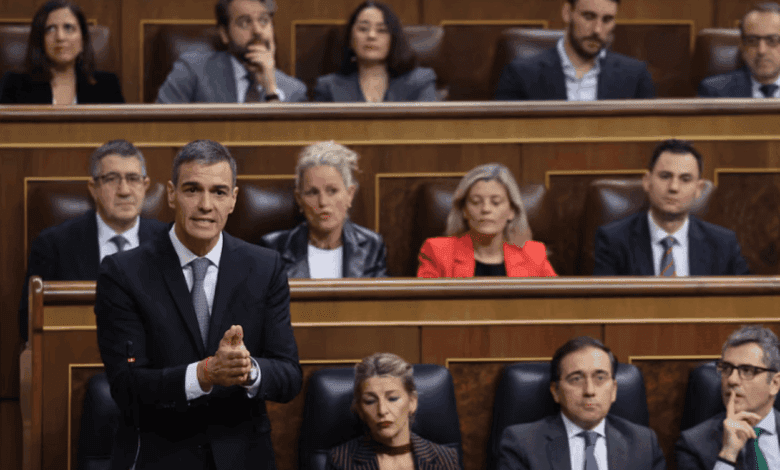
On Thursday, the final session of the 2025 Congreso de los Diputados concluded in Madrid. Despite a tense political climate, the government achieved significant successes: lawmakers approved several important social initiatives. The spotlight was on laws aimed at protecting consumer rights and reforming support systems for dependent citizens. These decisions came after complex negotiations and compromises among various political forces.
The session took place amid growing disagreements between parties. However, despite this, the majority supported measures that affect millions of Spaniards. Notably, a new version of the law on customer service was finally approved. This legislation is designed to improve interactions between companies and consumers, as well as raise service standards. Amendments proposed by the opposition did not receive enough support and were rejected.
Social reforms
One of the key measures was the update of the law supporting dependent individuals. For the first time in nearly two decades, Spain has revised its approach to caring for the elderly and those in need of constant assistance. The focus will now shift to providing services at home rather than in specialized institutions. This change is expected to make life easier for thousands of families and make the support system more flexible and accessible.
Another key development was the approval of a salary increase for public sector employees. In 2025, their base salaries will rise by 2.5%, followed by another 1.5% in 2026. This measure affects about three million workers nationwide. Even the opposition acknowledged the necessity of this step, given inflation and the rising cost of living.
Financial issues
Alongside social initiatives, lawmakers also addressed a number of economic matters. They decided to allow municipalities to use budget surpluses for investments in sustainable development. This will enable cities and towns to channel funds into infrastructure, environmental projects, and improvements to urban environments.
Special attention was given to supporting residents of La Palma who have suffered from natural disasters. Additional subsidies and support programs have been allocated to speed up the region’s recovery and help people return to normal life.
Budget disagreements
Despite social policy successes, the government’s attempt to pass a new budget strategy for 2026 failed once again. The largest opposition parties—Partido Popular, Vox, Junts, and Podemos—rejected the proposed deficit and spending cap framework. Even loyal government allies were divided: some lawmakers abstained, citing a lack of crisis response measures and insufficient solutions to the housing problem.
This failure dealt a serious blow to the cabinet, which had counted on broader support. Now the government will have to seek new compromises and negotiate with the opposition to avoid a budget blockade next year.
Political background
The end of the parliamentary year comes amid growing political instability. Intraparty conflicts, disagreements on key issues, and pressure from regional movements are complicating the government’s work. Nevertheless, the ratification of social laws and support for wage increases provide the cabinet with a certain degree of resilience ahead of new challenges.
The parliament now faces new negotiations and the challenge of finding a balance between social commitments and fiscal discipline. The budget issue remains unresolved, and its outcome will largely shape the political agenda for the coming year.
In case you didn’t know, the Ministry of Social Rights and the 2023 Agenda (Ministerio de Derechos Sociales y Agenda 2023) is headed by Pablo Bustinduy. This department initiated the key reforms approved at the latest session. In recent years, the ministry has become one of the main drivers of social change in Spain, advancing legislation aimed at protecting vulnerable groups and improving citizens’ quality of life.