Another symbol of a bygone era is disappearing in Madrid: the iconic Stella club, once a beacon of freedom and luxury, is now being converted into a religious school. This decision has already sparked heated debate among locals, as it’s not just a matter of changing the sign, but a complete transformation of a place that for decades shaped the identity and reputation of the neighborhood.
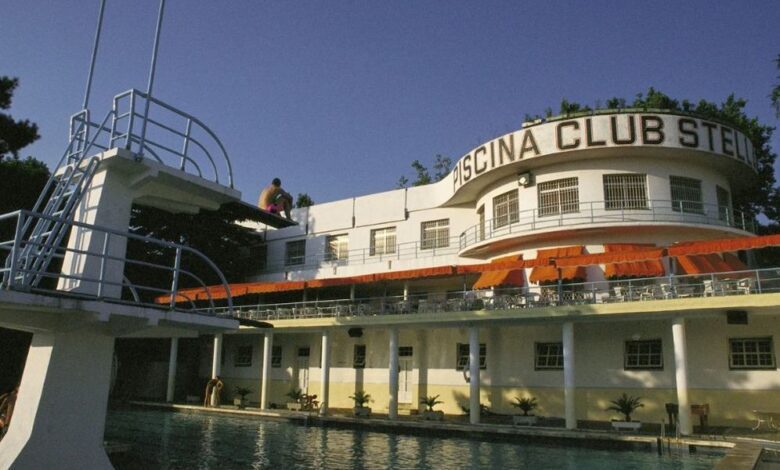
For many years, the complex on Arturo Soria Street (Arturo Soria) was synonymous with exclusive leisure. In the mid-20th century, actors, athletes, and high society figures would gather here. Stella became famous not only for its architecture but also for offering freedoms that were forbidden elsewhere. This was the first place in Madrid where bikinis made their appearance, and the club’s atmosphere evoked the best European resorts.
An Architectural Challenge
The Stella building was a true challenge for postwar Madrid. Its design, inspired by seaside clubs and 1930s rationalism, stood out sharply against the typical architecture of the era. Pristine white facades, flowing lines, spacious terraces—all of it gave the impression of a ship docked amid greenery. In the 1950s and ’60s, the club expanded, adding new recreation areas, sports grounds, a restaurant, and even its own hair salon.
Back then, Stella wasn’t reserved for the elite alone. On Thursdays, staff were allowed in—a rare practice for that era. These days, the pool and gardens filled with noise and laughter, as strict rules gave way to genuine festivity. This blend of luxury and inclusivity made the club a unique phenomenon for the capital.
Scandals and Changes
Stella’s guests included not only Spanish celebrities but international stars as well. Hollywood actresses, musicians, and members of the aristocracy all spent time here. The club became a symbol of openness and a subtle rebellion against tradition. In certain years, discreet nudism was even practiced—an unheard-of phenomenon in Spain at the time. The atmosphere of freedom and cosmopolitanism attracted all kinds of people, and Stella was mentioned in songs and memories of Madrid’s golden nightlife era.
However, as times changed, the club’s exclusivity began to lose its appeal. The arrival of municipal pools and private residential complexes made summer leisure accessible to all. Gradually, Stella lost its closed-club status, and the construction of the M-30 highway forever changed its surroundings. By the early 21st century, the building stood abandoned, its former grandeur remembered only by longtime neighborhood residents.
A New Life Under Strict Supervision
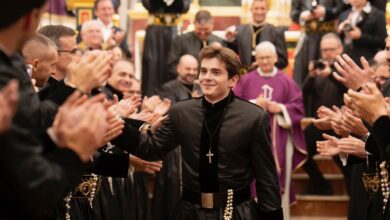
Today, Stella is set for a radical transformation. The property was recently acquired by a Catholic women’s congregation, which plans to open a school here with a strict dress code and a focus on elite education. The project involves preserving the historic facade and parts of the gardens, but the interior will be completely redesigned to meet the needs of the educational institution. This decision has already sparked a wave of debate: some believe this is a way to save a unique architectural landmark, while others argue that an important part of the city’s cultural memory is disappearing.
The size of the complex allows for not only classrooms but also state-of-the-art sports facilities. Representatives of the congregation emphasize that all heritage preservation requirements have been met, yet many fear that the spirit of Stella will be lost forever. For Madrid, this is not the first time a landmark has been radically repurposed, but this club in particular is steeped in countless personal and collective stories.
In recent years, Spain has seen a growing trend of historic buildings gaining a second life in completely new roles. Former cinemas are turning into supermarkets, and old factories are becoming art spaces or residential complexes. Such changes often spark debates between those who favor preserving authenticity and those who see it as a chance to revitalize the urban environment. In Madrid and other major cities, these projects prompt broader discussions about how the past shapes the present and future of the capital’s landscape.