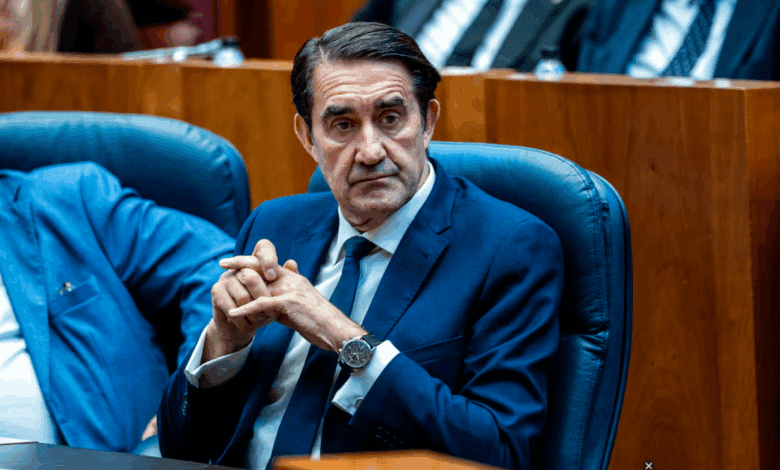
A new political conflict is unfolding in Castilla y León, one that could shape the future of the entire region. The decision to remove Juan Carlos Suárez-Quiñones from the top spot on the León list for the upcoming elections came as a surprise to many. For local residents, however, it’s a signal of changes in leadership and accountability following the natural disasters of recent years. Public questions about the authorities’ performance—especially after a string of devastating wildfires—haven’t subsided, and a leadership shake-up right in the middle of the campaign is only fueling the public’s interest.
Suárez-Quiñones, who has headed the environmental department since 2015, faced mounting criticism after the region endured its worst wildfires on record. In 2021, Ávila saw 22,000 hectares burned; in 2022, 60,000 hectares were scorched in Sierra de la Culebra (Zamora); and by 2025, more than 140,000 hectares had gone up in flames across the region, resulting in fatalities and massive damage to both the environment and the economy. These tragedies led to widespread protests, calls for resignation, and accusations of departmental inefficiency.
Intra-party discord
Within the Partido Popular (PP) itself, the decision to remove Suárez-Quiñones from the top of the León candidate list is explained by political expediency. Party officials believe his figure has become too toxic for voters, and scandals surrounding fire management could negatively impact election results. In his place, María José Álvarez Casáis has been put forward for the top spot—a move that, according to observers, should ease tensions and attract new supporters.
However, the question of Suárez-Quiñones’s own future remains unresolved. The party does not rule out moving him to a less prominent position on the list or even securing him a Senate seat if he fails to enter the regional parliament. This maneuver allows him to remain in the political arena, but without his former influence and responsibility.
Public reaction
The reshuffling of the lists sparked a strong reaction among the residents of León and the entire autonomous community. Protests against the Department of Environment have not subsided since 2022, when firefighters and locals accused authorities of insufficient funding, poor coordination, and a lack of ongoing disaster prevention measures. Suárez-Quiñones’s statement that “firefighters could not immediately start extinguishing the fire because of lunch” was particularly scandalous, sparking outrage and mockery on social media.
In recent months, there has been intense debate in the region over the need for a year-round emergency wildfire response command, a measure long demanded by professionals and activists. Despite promises of investment and reform, trust in the leadership remains undermined, and the change in leader is seen more as an attempt to cover up the scandal than as a real solution to the problems.
Implications for the elections
A change at the top of the list for León could significantly alter the balance of power in the regional parliament. Forecasts suggest that the Partido Popular is unlikely to secure a fourth mandate in this district, casting doubt on the political future of Suárez-Quiñones. If he fails in the election, he might be offered a seat in the Senate, where decisions are made less publicly but regional political influence remains.
At the same time, updating the list with a focus on women and new candidates could be an attempt by the party to distance itself from scandals and signal a willingness to change. However, many voters see these steps as a belated reaction to public pressure rather than a deliberate renewal strategy.
Criticism and justifications
Suárez-Quiñones has repeatedly spoken out to explain his position, defending the department’s actions and promising improvements. He emphasized that additional funds have been allocated in recent years to fight wildfires, along with the introduction of new technologies and monitoring methods. Nevertheless, critics note persistent systemic problems: understaffing, low firefighter salaries, lack of stable funding, and poor coordination between agencies.
Intraparty sources point out that these current reshuffles in the party lists are not isolated incidents. Several other councilors have also lost their leading positions in their districts, which may indicate a deeper restructuring within the party. Whether this will lead to real changes in management and the prevention of new disasters remains an open question.