There are places in Spain that don’t shout from every tourist postcard, yet leave a far deeper mark on the soul than the celebrated metropolises. León is just such a place. It’s not just a point on the famous pilgrimage route, but a whole world where the echoes of Roman legions blend with the chime of church bells and the hum of modern art spaces. A walk through its streets is a journey through time, with each turn offering a new discovery—be it an architectural masterpiece or the best tapa you’ve ever tasted.
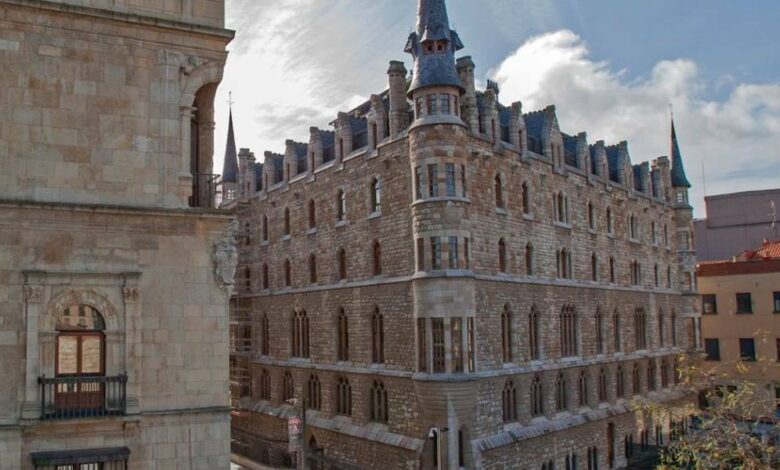
The city’s calling card and its symbolic heart is the majestic cathedral, lovingly and proudly called ‘Pulchra Leonina’ by locals, which means ‘The beautiful Leonese.’ This title is truly deserved. Built on the site of ancient Roman baths, it impresses not so much with its size, but with its sense of weightlessness. The secret lies in its unique stained glass windows, covering nearly two thousand square meters. On a sunny day, the interior turns into a kaleidoscope of light, bathing the stone vaults in every color of the rainbow. The path to this marvel runs along the main artery of the old town, Calle Ancha, past two more landmarks: the whimsical, gingerbread-like Casa Botines, designed by Antonio Gaudí, and the austere Renaissance Palacio de los Guzmanes.
However, León’s heritage is not limited to gothic architecture. Just a few minutes’ walk from the cathedral is another gem—the Basilica of San Isidoro. From the outside, it may appear modest, but inside lies a real treasure, which art historians confidently call the “Sistine Chapel of the Romanesque style.” This refers to the Royal Pantheon, the burial place of ancient monarchs, whose vaults are adorned with exquisitely preserved 12th-century frescoes. These biblical scenes, created in a naive yet incredibly expressive manner, leave a lasting impression. It was within this complex that, in 1188, some of the first cortes in European history took place, a prototype of the modern parliament.
The city skillfully blends its ancient heritage with the avant-garde. Massive walls, remnants from the days when the Seventh Legion of Rome camped here, provide a picturesque backdrop for daily life. Nearby, the Museum of Contemporary Art of Castilla y León (MUSAC), with its colorful facades, has become a new symbol of the city. Another example of a remarkable transformation is the former Monastery of San Marcos, once a haven for pilgrims and now a luxurious Parador hotel—one of the most beautiful in Spain. Its Plateresque façade, covered in intricate stone carvings, can be admired for hours.
But to truly understand and experience León, you need to step away from its grand avenues and immerse yourself in the atmosphere of its famous “Barrio Húmedo.” This is a labyrinth of narrow streets where all the city’s gastronomic life converges. Here, an unwritten rule applies: with every drink ordered, whether a glass of local wine or beer, a generous portion of tapas is served for free. In one bar, it might be a slice of potato tortilla; in another, spicy chorizo sausage; in a third, the renowned local cured beef, cecina. As you move from one establishment to another, you can not only enjoy a hearty dinner but also feel the genuine spirit of Spanish hospitality and zest for life.