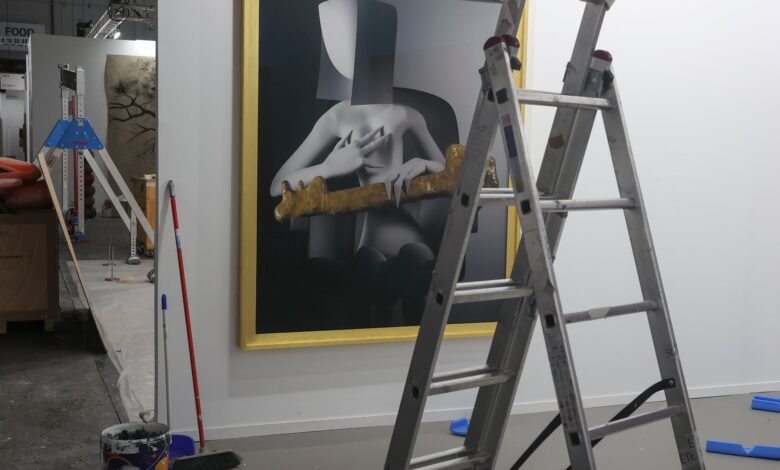
Madrid authorities have made a decision that could significantly impact Spain’s art market. Art purchases through galleries and dealers are now exempt from transfer tax. This new measure immediately sets the capital apart from other regions of the country, where such benefits are not yet in place. For many market participants, this means not only savings but also new opportunities for business growth.
According to El Pais, since 2020 the Madrid government has acquired more than three hundred works of art for about three million euros. Thanks to the new measure, the sector will save approximately 700,000 euros. Regional authorities explain that they want to make Madrid a leading European city for galleries and collectors. Currently, about a third of all Spanish galleries operate in the capital, but Spain’s share in the global art market remains modest—just 1%.
Comparison with Europe
In Spain, the value-added tax for art is 21%, which is significantly higher than in France, Italy, or Germany. In those countries, the rate does not exceed 7%. As a result, prices for the same works can differ by almost double depending on the country. According to El Pais, many in the market see this disparity as unfair and are urging the Spanish government to lower the tax in order to retain buyers and artists.
Minister of Culture Ernest Urtasun has already expressed support for lowering the rate, but the final decision rests with the Ministry of Finance. So far, neither department has explained why Spain maintains such a high tax on art. Gallery owners and collectors point out that this forces many transactions into the shadows or pushes them abroad.
Politics and taxes
The decision by Madrid’s authorities is part of a broader policy aimed at reducing the tax burden. In recent years, the region has implemented 35 tax reforms, which, according to the government, have saved residents about 40 billion euros. These include the abolition of inheritance tax, benefits for homebuyers, and support for families with children. Madrid’s government emphasizes that such measures make the city more attractive to investors and creative professionals.
However, the central government accuses Madrid of creating an uneven playing field and engaging in unfair competition. In response, regional authorities claim their policies are aimed at economic development and supporting cultural initiatives. Another major reform is planned soon—an income tax reduction for nearly three million residents of the region.
Cultural events
The announcement of new tax incentives came amid the opening of major art events in Madrid. The city is currently hosting two significant exhibitions — Arco and the Contemporary Art Salon. Regional authorities emphasize that they support not only large fairs but also emerging artists, allocating hundreds of thousands of euros annually to grants and awards. According to El Pais, such initiatives help retain talent in Spain and draw attention to local art.
In recent years, the impact of taxes on art development has become a growing topic of discussion in Europe and worldwide. Some countries have already lowered rates or introduced special benefits for galleries and collectors. For example, after tax reforms in France and Italy, the number of deals and new exhibitions increased. In Spain, however, the issue of lowering taxes remains unresolved, and many hope that Madrid’s experience will serve as an example for other regions.