On Friday, members of the Madrid Assembly approved the region’s budget for 2026. The total comes to €30.663 billion, a 6.98% increase over last year. The document includes 25 amendments, most of them proposed by opposition parties. However, the opposition says these changes are insufficient, given that more than 3,600 amendments were submitted. Opposition representatives argue that the government is once again prioritizing private interests over the needs of local residents.
The Federation of Associations for the Defense of Public Health notes that among all autonomous communities that have already approved budgets for 2026, Madrid, for the sixth consecutive year, shows the smallest increase in per capita healthcare spending. In 2026, this figure will reach €1,537.28 per person—only €55 more than in 2025. By comparison, the national average is €2,013 per resident. According to federation president Sergio Fernández, chronic underfunding will lead to longer wait times and reduced access to medical care, especially in the primary care sector.
Funding imbalance
Experts point out that even with the new budget, Madrid is spending less on healthcare than in 2023, when expenditures amounted to around €1,800 per person. The gap between the leading region—Asturias—and Madrid exceeds €995 per resident. According to Fernández, years of budget cuts and privatization have affected all residents of the capital. He estimates that Madrid’s healthcare system is short at least €4 billion to meet its real needs.
At the same time, spending on private healthcare contracts reached a record €1.486 billion—6% more than the previous year. Representatives of the Comisiones Obreras union believe that this approach only increases the system’s dependence on the private sector and exacerbates social inequality.
Opposition criticism
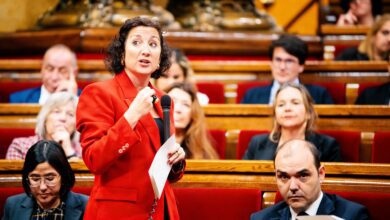
Más Madrid party leader Manuela Bergerot stated that the ruling party has once again approved an austerity budget. According to her, the region is losing the tools needed for effective taxation, while public services continue to suffer from chronic underfunding. She accused regional leader Isabel Díaz Ayuso of deliberately giving up billions in revenue in favor of tax breaks for the wealthy.
Bergerot is convinced that if the authorities had not reduced taxes for the wealthy, it would have been possible to provide free school meals up to age 16, fair funding for universities, and restore the healthcare system. Instead, in her view, budget funds are directed toward supporting large private medical groups, organizing tourist events, and offering scholarships to high-income families. She calls for a radical overhaul of budget and tax policy to ensure an adequate level of public services for all residents of the region.
Education and Social Sphere
Unions note that the new budget allocates €6.675 billion for tax breaks and deductions, which they believe primarily benefits the affluent and limits opportunities for funding social programs. Education spending is approaching €7 billion, but unions emphasize that most of the increased funding is going to private and subsidized schools. These institutions now account for 20% of all educational spending—twice as much as twenty years ago.
At the same time, the network of public schools is hardly expanding, and funding for special education is even being reduced, despite previous promises from the authorities. Universities will receive 75 million euros more than last year, but representatives of the education sector consider this amount insufficient. In November of last year, teachers and students already went on strike, demanding increased funding and an end to the “financial stranglehold” on universities that has continued since 2008.
Consequences for society
According to unions, the approved budget not only weakens the public services system but also worsens social inequality. They argue that the growing role of the private sector in healthcare, education, and social services leads to deeper economic, territorial, and gender disparities. The current tax structure still benefits wealthier citizens and limits opportunities for investment in social projects.