A conflict is escalating in Madrid over proposed changes to the law governing public events. New initiatives by the regional government could change the rules for concert, sports event, and festival organizers. At the heart of the matter is the possibility for authorities to intervene in legal proceedings if an event is disrupted or complicated due to protests or unrest. This decision has already drawn sharp criticism from central government officials, who argue that such moves could restrict the right to assembly and increase political pressure on dissenters.
According to plans, the Madrid Assembly will on Thursday consider a bill that would allow the regional government to participate in criminal cases related to public order offenses if they affect the organization of events deemed to be of public interest. The impetus for these changes was the recent final stage of the La Vuelta cycling race, when mass protests effectively disrupted the race’s conclusion in the capital. As El Pais notes, Madrid authorities believe that the current regulatory framework, in place since 1997, is outdated and needs to be updated to address today’s challenges.
Political disagreements
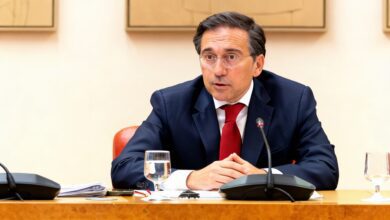
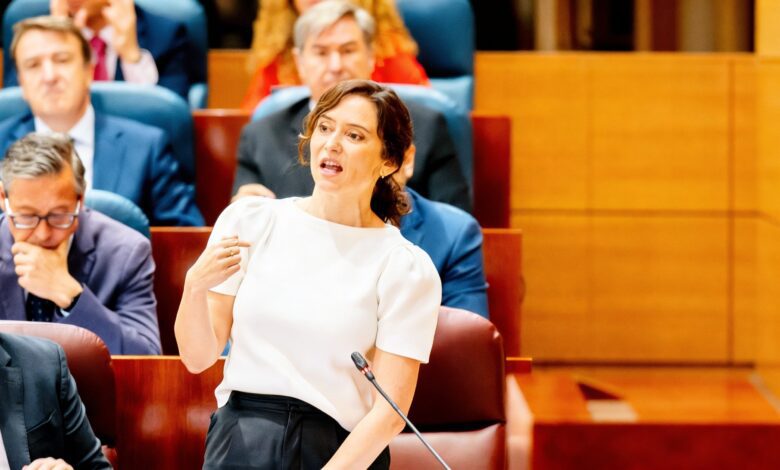
However, not everyone agrees with this approach. Government delegate Francisco Martín has openly stated that the new measures are not aimed at protecting residents but are being used to strengthen control and suppress forms of protest inconvenient for the authorities. In his view, the legal changes could restrict freedom of assembly and create additional obstacles to expressing public discontent. In the Madrid Assembly, Partido Popular holds the majority, while Vox’s support ensures swift passage of the initiative, despite criticism from the opposition and public organizations.
Debate over the changes began last summer, when plans for a Formula 1 stage in Madrid with significant state funding came to light. Soon after, disputes arose over large concerts at the Santiago Bernabéu stadium, where noise levels led to legal action between residents and the football club. In both cases, authorities faced the need to review regulations to balance the interests of business, residents, and organizers.
Public and expert reaction
The question of transparency in drafting the new regulations has become another stumbling block. Representatives of civic groups and municipalities note that their opinions were hardly taken into account during the development of the bill. According to El Pais, after the draft was approved at a government meeting in March, only select market participants and city authorities were invited to the discussions, while the central government delegation remained on the sidelines. This sparked discontent among experts, who believe such changes should be discussed as openly as possible and with consideration for the interests of all parties involved.
Particular attention was drawn to plans for a series of Shakira concerts in Villaverde, set to be the largest in the capital’s history. The government delegate demanded that the mayor of Madrid halt the events until all security measures are ensured, triggering a fresh wave of accusations of politicizing the issue. Regional authorities, in turn, accused central government representatives of hampering the city’s cultural development and obstructing major projects.
Context and consequences
According to El Pais, changes to the law on mass events affect several regulations at once, including LEPAR, which governs concerts and sports events. Critics point out that instead of a comprehensive reform, the authorities prefer targeted changes, which could lead to legal conflicts and complicate the work of organizers. Representatives from the Federation of Residents Associations of Madrid emphasize that their proposals were only partially taken into account, and that the discussion process began only after the main elements of the bill had already been approved.
In Spain, the regulation of mass events and balancing the interests of businesses, residents, and authorities frequently sparks heated debate. For example, a court in Valencia recently upheld restrictions on gambling establishments near schools, triggering a strong reaction among business owners and parents. Read more about how court decisions impact city life in our article on new regulations for gaming halls in Valencia.
In recent years, Spain has seen a rise in large-scale events, necessitating constant updates to legislation. Issues surrounding noise, security, and funding are becoming increasingly important for cities hosting international festivals and sporting tournaments. Experience shows that any changes to the regulations on mass events spark widespread public debate and require a balance between the interests of different groups. In Madrid, as in other regions, the search for this balance continues, and new government initiatives consistently become the subject of heated discussion.