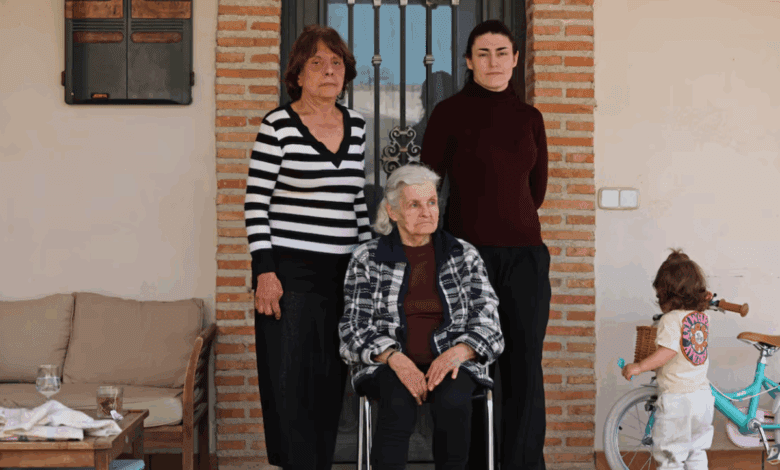
A conflict continues in Madrid between residents and city authorities over the large-scale construction of a new district. The family of Maria Teresa Gomez, who lives in La Cañada Real, has found themselves at the center of this battle. Their home has stood on a municipal green zone for more than fifty years, but now the city plans to implement the El Cañaveral development project, designed to accommodate tens of thousands of new residents. For Spaniards, this story has become a symbol of how major urban development projects can affect the lives of ordinary families and lead to prolonged legal disputes.
The situation is further complicated by the fact that, after sixteen years of legal proceedings, neither side has achieved a final decision. According to El Pais, the regional court recognized that the family was not informed about the land redistribution project, depriving them of the opportunity to defend their rights or receive compensation. This decision marked an unexpected turn in the case, as without official notification, any eviction actions are considered illegal.
Legal Disputes
María Teresa, now 70, openly admits she’s exhausted by the constant uncertainty. She lives with her mother, her daughter, and her young granddaughter, unable to afford moving. After receiving a letter about the upcoming demolition of their home, the family turned to lawyer Roberto Alonso Martín. The attorney claims that city authorities intentionally withhold details about the project to prevent potential delays in its implementation. According to him, only after receiving the full set of documents will it be possible to challenge the project and secure fair compensation.
For its part, Madrid City Hall insists that all necessary notifications were sent and that the lawyer had access to the case files as early as summer 2024. However, as Alonso points out, the documents were scattered across 22,000 pages without any search system, making it nearly impossible to review them properly. The authorities also state that the family was long ago granted compensation of over €86,000, which they can claim at any time. In addition, city representatives note that María Teresa and her mother declined assistance from social services.
Personal stories
In 2022, after another court victory, the Mayor of Madrid promised that the development of the El Cañaveral district would not violate residents’ legal rights. However, at one meeting, María Teresa had to endure accusations of illegal land occupation, which angered her and led to a breakdown in dialogue with officials. The house where her family now lives was built by María Teresa’s former husband behind a former industrial workshop. Over the years, the family grew used to the lack of basic urban amenities: no garbage truck, no postman, no bus, and no pharmacy.
While legal proceedings continue, the family’s fate remains uncertain. The authorities are pushing for the land to be vacated as soon as possible to move forward with a project for 14,000 new apartments. However, a court ruling recognizing violations of residents’ rights could delay developers’ plans and set a precedent for similar cases across Spain.
Context and similar cases
In recent years, conflicts between residents and municipalities over large construction projects have become more frequent in Spain. In Barcelona and Valencia, similar stories have triggered mass protests and lawsuits as families faced eviction to make way for new housing developments. In some instances, courts have sided with residents, requiring authorities to follow all legal procedures and provide fair compensation. These events highlight how urban planning and citizens’ rights are becoming increasingly pressing issues for the nation’s major cities.