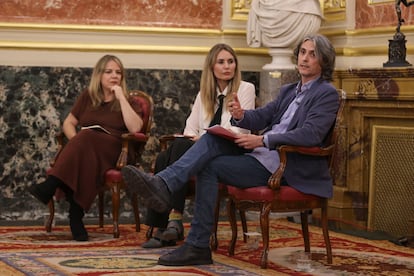
A commemorative event honoring the victims of Franco’s dictatorship was held in the Congress of Deputies in Madrid. Exactly fifty years have passed since the last death sentences were carried out in Spain. On this day, the hall was filled with relatives of the victims, politicians, and public figures, coming together to remind the country once again of the price paid for freedom and democracy.
The event took place as part of the national day of remembrance for the victims of the military coup, the civil war, and the ensuing dictatorship. Around a hundred people gathered in the hall, including some who personally endured repression. However, representatives from certain political groups, particularly right-wing parties, chose to boycott the ceremony, sparking heated debate in society.
Political divisions and personal stories
Some deputies declined to take part in the memorial, citing the involvement of radical group members among the last to be executed. This decision met with sharp criticism from the families of the victims, who insisted on remembering everyone who suffered under the regime, regardless of their political beliefs. The hall echoed with words of gratitude to the last surviving antifrancoist resistance members, whose lives have become a symbol of the struggle for rights and freedoms.
Special attention was given to the role of education and culture in preserving historical memory. Writers who dedicated their books to the events of those years shared personal stories that became the starting point for their study of these tragic chapters from the past. One author recounted how a casual walk with his child in the suburbs of Madrid led him to the place where three of the regime’s last victims were executed. This discovery shocked him and inspired him to write a book.
A memory that unites and divides
At the end of the ceremony, a song was performed in dedication to those who suffered from repression. The musical performance was an emotional highlight, serving as a reminder of the importance of remembering history’s lessons. Despite disagreements, the day once again showed that memory of the past remains a vital part of national dialogue, shaping society’s attitudes toward justice and human rights.
Events like this in Spain continue to stir debate, but they also serve as a reminder of the need to defend democratic values and prevent the tragic mistakes of the past from recurring. On this day in Madrid, calls for unity and respect for the memory of all victims of the dictatorship were heard once again.