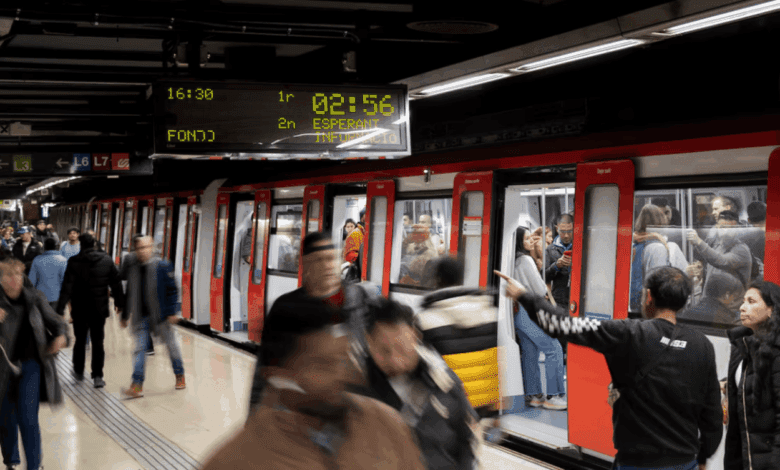
This weekend, trains will once again begin running between Barrio del Puerto and Hospital del Henares stations on Madrid Metro line 7B. This has become possible after more than three years of extensive restoration work, prompted by serious ground subsidence. Over the past 18 years, this section has been closed multiple times, but this latest shutdown was the longest on record.
Regional authorities report that total safety has been ensured: nearly 21,000 square meters of land have been stabilized, and more than five kilometers of tunnels have been reinforced and repaired. However, for the residents of Coslada and San Fernando de Henares, whose homes were destroyed or damaged, the resumption of train service brings little joy. Many still have not received compensation, and some buildings remain under surveillance due to the risk of further collapses.
Losses and Unanswered Questions: What Remains Unseen
As a result of the 2022 disaster, 73 residential buildings were demolished and more than 250 properties—from apartments to public facilities—were left at risk. Among the destroyed structures are a language school, a kindergarten, a youth center, and other important community buildings. Local officials point out that the regional government has yet to commit to restoring them, and the timelines for relocation and compensation for many families remain uncertain.
Some victims have already received compensation, but a significant number of people are still waiting for their cases to be resolved. In some instances, residents have returned to their apartments, while others have lost all their belongings and received no support. This has led to a sense of injustice and fatigue among those affected as the process drags on.
Impact on daily life and mental health
The problems caused by the metro line incident have affected not only residents’ material situation, but also their psychological well-being. According to independent studies, more than half of those affected have not been able to return to their normal way of life. People report ongoing stress, anxiety, and a feeling of uncertainty that prevents them from moving on.
Platforms that unite those affected continue to demand justice, insisting on full compensation for damages and the restoration of destroyed properties. They believe that only then can the crisis caused by the construction and operation of line 7B be considered truly resolved.
What’s next?
Despite the ceremonial reopening of service, for many residents of Coslada and San Fernando de Henares, the story of line 7B is far from over. While some celebrate the return of the trains, others continue to fight for their rights and hope their voices will be heard. Issues of compensation, infrastructure repair, and psychological support remain unresolved, meaning there is still much work ahead for everyone involved.