Madrid rises confidently in global rankings
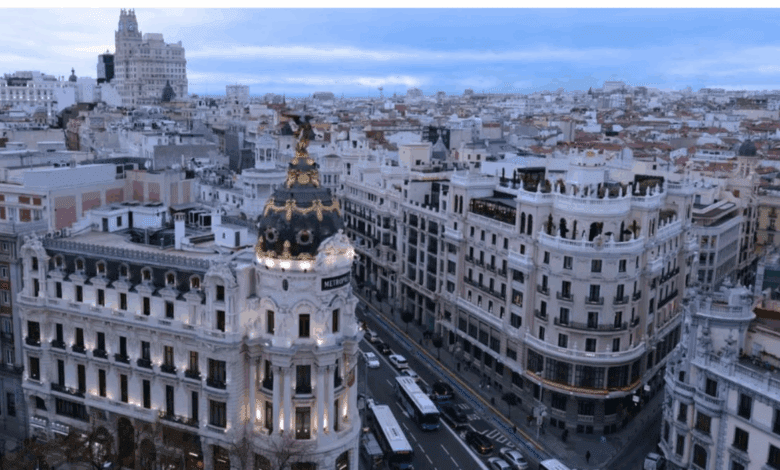
The Spanish capital is back in the spotlight: in the latest World’s Best Cities 2026 ranking, Madrid secured fifth place, climbing two spots from last year. Only London, New York, Paris, and Tokyo are ahead. Madrid surpassed cities like Singapore, Rome, Dubai, Berlin, and even Barcelona.
Experts note that this impressive result was made possible by major transformations underway in the city. Madrid is undergoing a dynamic makeover, focusing on sustainable development, attracting investment, and creating a comfortable environment for living and working.
Urban projects and environmental initiatives
One of the key factors behind this success has been the implementation of large-scale environmental and infrastructure projects. Special emphasis is placed on greening the city: the ‘Metropolitan Forest’ (Bosque Metropolitano) project promises to become Europe’s largest green belt—with more than 450,000 new trees and 75 kilometers of green routes. The city is also restoring parks, expanding the public bike network, and rolling out electric buses, forming one of the most eco-friendly transport systems on the continent.
Another significant milestone is the large-scale redevelopment of former railway areas. The Madrid Nuevo Norte project will transform over 500 acres into a modern district with residential neighborhoods, offices, and a revamped Chamartín station, which will become one of Europe’s major transport hubs. This will not only upgrade the infrastructure but also attract new companies, especially from the tech and finance sectors.
Vibrant cultural scene and tourism growth
Madrid continues to impress with its diverse cultural events and venues. New museums, cinemas, and art spaces are opening across the city, while established centers like Matadero Madrid and CaixaForum are expanding their offerings. The Carabanchel district is emerging as a new hotspot for the creative industries.
The hospitality sector is keeping pace as well: state-of-the-art hotels are opening on the city’s main avenues, and the tourist infrastructure is constantly evolving. In the coming years, the expansion of Adolfo Suárez Madrid-Barajas airport is set to be completed, enabling it to handle up to 90 million passengers annually and strengthening Madrid’s role as the leading air hub in southern Europe.
Madrid: The City of the Future
Together, these changes are making Madrid not only attractive to tourists, but also to investors, professionals, and students from around the world. The city is confidently moving toward becoming one of the world’s most dynamic and livable metropolises, setting new standards for quality of life and sustainable development.