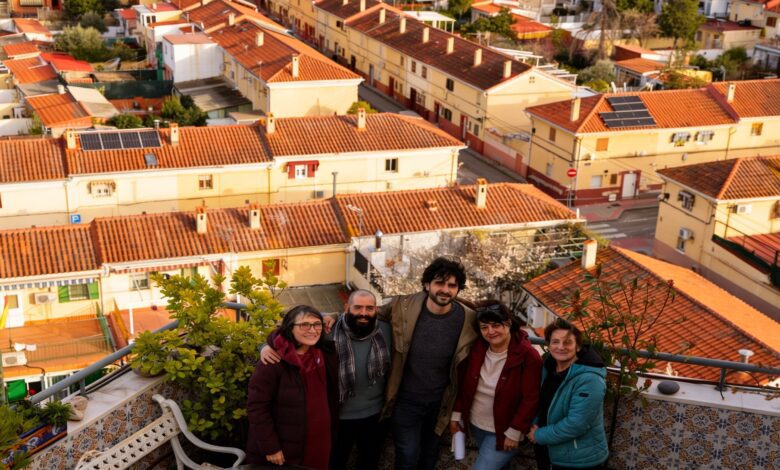
As electricity prices continue to rise in Spain, residents of the Tercio Terol neighborhood in Madrid have found a way to cut costs and rethink their energy consumption. Their solution — forming the capital’s first energy community based on solar panels — has become a notable example for other districts in the city. This step not only helped reduce bills but also strengthened ties between neighbors, a particularly relevant achievement in a metropolis where personal connections are becoming increasingly rare.
The situation worsened when some residents saw their electricity bills climb to 1,000 euros per month. According to El Pais, it was after this that Marian Álvarez, faced with unusually high payments, initiated a discussion with her neighbors. As a result, around 50 homeowners joined forces and invested in installing solar panels on their rooftops. Their homes were uniquely suited for the project — no tall buildings nearby and unrestricted roof access — allowing them to maximize the benefits.
Overcoming obstacles
The road to creating the energy community was far from easy. Residents faced bureaucratic hurdles, the need to coordinate with heritage protection authorities, and a lack of municipal support. Despite this, the project received assistance from nonprofit organizations like Light Humanity, which had previously supported solar panel installations in other Madrid neighborhoods. Guided by their advice, Tercio Terol residents efficiently organized energy distribution and addressed all technical details.
Each participant invested from €2,200 per kilowatt of power in the project. Some residents who didn’t have their own roofs made agreements with neighbors to use their spaces for solar panels. As a result, by 2026 the community will have 41 houses with solar installations, and several energy-poor families have gained access to affordable electricity. The project received a subsidy exceeding €100,000, allowing part of the initial investment to be recovered.
New consumption rules
The energy distribution system is designed so that each participant receives a share of generated electricity according to established agreements. Surplus energy goes to the general grid, and the distributing company deducts these amounts from residents’ bills. The community also offers personalized consumption analysis to optimize expenses. Once the agreement with Iberdrola is finalized, it is expected that energy will be supplied directly to participants’ homes instead of feeding into the general network.
Interest in such initiatives is growing in other Madrid districts as well. Projects to install solar panels on the rooftops of educational institutions are already being developed in Vallecas and Villaverde. In Vallecas, part of the electricity will supply the school and low-income families, while the rest will be distributed among residents and small businesses contributing financially. The project plans further expansion and aims to create a network of distributed solar installations throughout the district.
Impact on the city
The model implemented in Tercio Terol is becoming an example for other districts of the capital. According to RUSSPAIN.COM, such projects are not only capable of reducing electricity costs, but also of increasing social cohesion in urban neighborhoods. Importantly, these initiatives help combat energy poverty and stimulate the development of local communities.
As El Pais notes, despite challenges with paperwork and interactions with major energy companies, residents of Tercio Terol continue to expand the project. Currently, there is a waiting list to join the community, and similar solutions are attracting interest in other Spanish cities as well. Notably, the experience of Madrid residents has already inspired neighboring districts to launch their own initiatives.
In recent years, Spain has seen growth in the number of local energy communities, especially in regions with high solar activity. For example, in Andalusia and Catalonia, residents are also joining forces to install solar panels together, allowing them to save on utility bills and reduce dependence on major suppliers. Similar projects are being carried out in other European countries, where local communities are driving the shift to renewable energy. In Malaga, despite transportation challenges, the tourism sector also shows resilience and adaptability, as demonstrated by the analysis of tourism growth in the region.