In recent months, the situation in public high schools in Madrid has become critical: a shortage of staff responsible for cleaning and administrative tasks is directly affecting the quality of education and student safety. The problem impacts not only the cleanliness of facilities but also the organization of the educational process, leading to growing dissatisfaction among parents and teachers. The forced measures schools are taking reflect a systemic crisis in personnel management.
Dirt and exhaustion
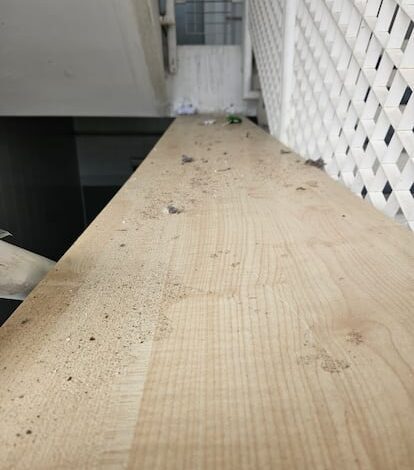
At IES Rayuela in Móstoles, students try to avoid using the restrooms and stay away from sitting in the hallways—the condition of the facilities has become that neglected. Dust, grime, traces of construction work, and a lack of cleaning in certain areas have become the norm since summer. The reason is simple: just one cleaner works across the entire school complex. The same scenario can be seen in other schools in the city, where hundreds of students are served by the minimum number of service staff.
Teachers and unions are raising the alarm: the shortage is not limited to cleaners alone. Schools lack administrators, concierges, and other essential staff required for normal operations. School leaders are forced to hire private companies and pay for their services out of their own budgets, even though, by law, these expenses should be covered by the regional administration.
Forced privatization
Lyceum administrators note that the problem has persisted since last year and is only becoming more acute. Despite repeated appeals to the regional education ministry, the situation remains unchanged: many vacancies stay unfilled for months. As a result, schools are forced to allocate part of their budget for urgent cleaning services, which undermines financial stability and hampers the implementation of other important projects.
In some cases, principals report that they have to hire private companies for a limited period to handle the most critical tasks. However, such measures do not address the root of the issue, but only create an illusion of order. At the same time, it is virtually impossible to hire temporary staff for administrative or concierge roles—these positions remain vacant for weeks or even months.
Bureaucratic traps
The responsibility for hiring staff in lyceums lies with regional authorities, while in primary schools it is handled by municipalities. Replacement and recruitment procedures are delayed due to complex bureaucratic processes and simultaneous competitions for permanent positions. Frequently, the same candidate participates in several competitions at once, and if they accept one offer, the remaining positions go unfilled, leading to further delays.
As a result, even after six months of waiting, some institutions are still missing several employees at once. This leads to increased workloads for the remaining staff, lower quality of service, and growing tension within the team. Teachers note that the lack of administrators affects document processing and the admission of new students, while parents face limited time slots to resolve their issues.
Local problems
At Miguel de Cervantes Lyceum, also in Móstoles, there is no concierge in the evenings, and daytime staff are forced to work overtime. In one building, cleaning is handled by a private company, while in another — by no one: one worker quit, another is on sick leave. Dirt piles up in the facilities, and after ceiling repairs, leaks and mold have appeared, forcing some classrooms to close.
A similar situation has developed at Europa Lyceum: ceiling cracks, leaks, closed classrooms, dampness, and no cleaning. Parents say the administration is aware, but can only hire cleaners temporarily for a month — what happens next is unclear. At other schools, where budgets allow, private companies are hired for a few hours, but this does not solve the shortage of concierges and administrators.
Consequences for education
School principals admit they are in a difficult position: they bear responsibility for everything that happens, yet it’s hard to explain the ongoing disruptions to parents. The staff stabilization processes underway over the past two years have only made things worse: many vacancies remain unfilled, and the workload on the remaining employees continues to grow.
Unions note that the problem affects not only Móstoles but also other cities in southern Madrid. Some schools are facing not only staff shortages but also deteriorating building conditions: broken windows, faulty heating systems, mold, and dampness. Sometimes, schools have to purchase heaters with their own funds just to maintain basic comfort in the classrooms.
Protests and demands
In January, students and teachers at Juan Bautista Monegro High School in Torrejón de Ardoz (Torrejón de Ardoz) held a strike and rally over a broken heating system that has not worked since September. People have to study and work in their outdoor clothes. According to unions, 18 educational institutions in the region are facing serious problems with insulation and technical conditions of their buildings.
Teachers and parents believe that being forced to pay for private services out of the school’s budget is a hidden form of education privatization. When the state fails to provide the necessary level of maintenance, schools are left to find solutions themselves, leading to inequality between institutions and additional expenses.
In recent years, Spain has seen an increase in cases where government institutions face staff shortages and are forced to turn to private companies to handle basic tasks. Such situations have already arisen in hospitals, municipal services, and even in the transport sector. In each case, this leads to additional budgetary pressure and sparks public debate. Last month, Madrid authorities spoke out against changes in the allocation of budget funds among the autonomous communities, which also triggered a wave of discussions and legal disputes. More details on the region’s financial conflicts can be found in the article “Madrid prepares for a legal battle over the new funding scheme for autonomous communities».