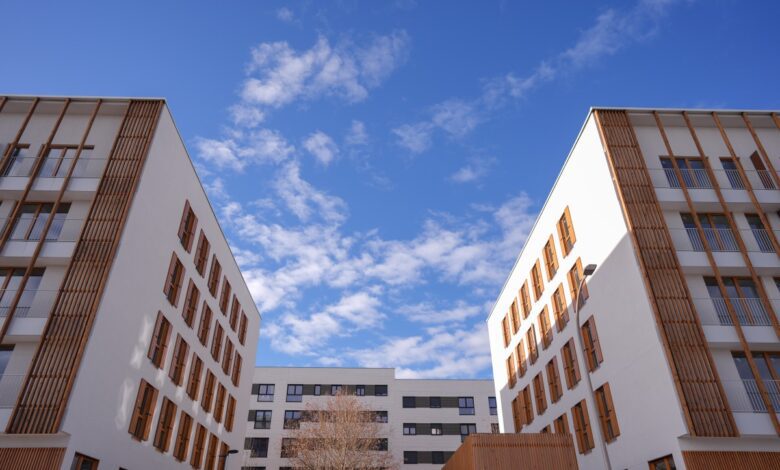
Madrid is gearing up for large-scale construction in 2026, as city authorities launch the development of 2,500 new apartments to be offered at affordable rental rates. The project will span six districts of the capital, including Barajas, Carabanchel, Fuencarral-El Pardo, Moncloa-Aravaca, Vicálvaro, and Villa de Vallecas. The first phase of the Suma Vivienda program will deliver 1,600 units, with tenders for these properties completed last year.
Madrid Mayor José Luis Martínez-Almeida announced this initiative at the opening of the new Iberia Loreto 1 housing complex in Barajas. This building is not just another project, but a real experiment: for the first time, municipal company EMVS used wood-based industrial construction technologies, allowing completion in just 17 months. The building features 52 apartments, four of which are fully adapted for people with reduced mobility, as well as storage rooms and parking spaces for cars and bicycles.
Authorities aren’t hiding their ambitions: after the successful pilot, EMVS plans to build around 800 more apartments using similar technologies. This approach not only speeds up construction but also reduces costs, making housing more eco-friendly and energy efficient. In the coming years, Madrid will see over 760 industrialized new apartments, including 170 in Barajas, Moncloa-Aravaca, and Villa de Vallecas, and another 600 in Vicálvaro, in the districts of Los Ahijones and Los Berrocales, where private investors will also get involved.
Record-breaking pace
Over the past six years, the municipal company EMVS has completed and launched 69 projects, increasing the supply of affordable housing by almost 60%. Since 2019, the number of apartments available for rent at reduced rates has grown to 10,000, while total investment in this sector has reached €1.456 billion. Authorities point out that such a pace is unprecedented.
Special attention is being paid to the allocation process. In 2025 alone, three large-scale lotteries were held, allowing nearly a thousand families to move into new apartments. Over the current administration’s term, more than 2,000 apartments have been drawn, with two-thirds of them being brand-new units. Ninety percent of these new homes are reserved for young people and families with children, to help them start independent lives and lower barriers in the rental market.
Focusing on youth
Madrid’s authorities are prioritizing the younger generation, who have traditionally faced challenges in finding housing. Since 2019, the city has allocated more than 4,500 apartments to new residents, and by 2026, EMVS plans to have 6,000 units at various stages of construction and tendering. This will make Madrid the largest player in the municipal housing market in Spain.
At the beginning of 2026, two new lotteries are scheduled, along with the handover of keys for four new housing complexes, which will add another 340 apartments to the overall supply. Officials admit that demand for affordable housing still outpaces supply, and competition for each apartment is only intensifying.
Innovation and challenges
The use of industrial technologies and eco-friendly materials has become a hallmark of EMVS’s new projects. This approach not only speeds up construction but also reduces environmental impact. However, not all experts share the optimism of city officials: some point out the risks associated with large-scale construction and a possible decline in quality.
Nevertheless, Madrid is moving forward, experimenting with new forms of cooperation between the public and private sectors. Private investors are already involved in the Los Ahijones and Los Berrocales areas, opening up new opportunities to expand the affordable housing market.
The future of the market
The city’s plans are indeed ambitious, but one question remains: will there be enough new apartments for everyone who needs them? With a growing population and a steady influx of young families, demand for affordable housing in Madrid is unlikely to decrease anytime soon. Still, city officials are confident: their strategy will not only increase the number of homes but also reshape the entire approach to housing policy.
In the coming months, Madrid will see another wave of lotteries and the launch of new projects. For many residents, this is a chance to start a new life; for the housing market, an opportunity to test how effective innovative methods of construction and home allocation truly are.
RUSSPAIN reminds that Empresa Municipal de la Vivienda y Suelo (EMVS) is a municipal company established to develop and manage affordable housing in Madrid. The organization is involved not only in building new properties, but also in implementing programs to support young families, people with disabilities, and other vulnerable groups. In recent years, EMVS has become one of the key players in the capital’s real estate market, introducing modern technologies and new approaches to solving housing problems.