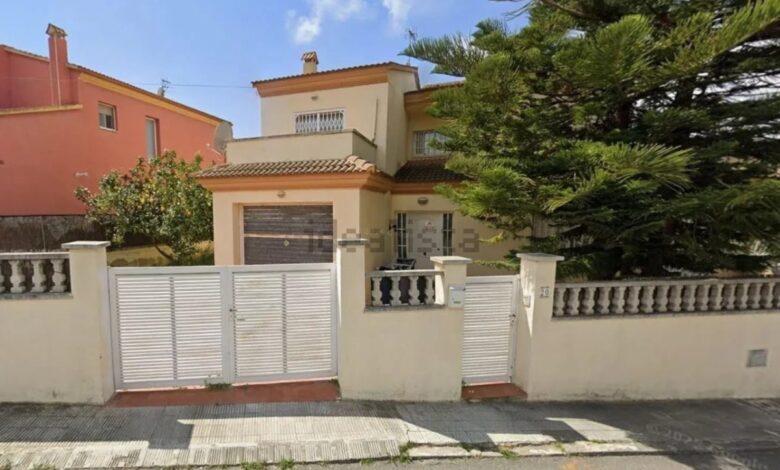
Rising illegal occupation in luxury neighborhoods
In recent years, Spain has seen a noticeable change in the nature of illegal property occupation. While these incidents once mostly occurred in abandoned apartments on the outskirts, today, high-end villas, modern penthouses, and houses with pools—often left unguarded for extended periods—have become prime targets. Regions with a high number of second homes, such as Catalonia, Valencia, Madrid, and Andalusia, are seeing a growth in such cases. Properties that remain unoccupied for long periods or are caught up in inheritance proceedings are particularly vulnerable.
Organized groups and their tactics
Unlike previous years, when these incidents mostly involved families in dire situations, today many cases are orchestrated by well-organized groups. These groups carefully study legislation to exploit its loopholes. They select properties in advance using public databases and online listings, then break in using professional tools. They change locks, draw up fake rental contracts, and even try to register at the new address. In some cases, the properties are rented out to third parties, making it even harder for owners to reclaim their property.
Legal hurdles and eviction timelines
Spanish legislation provides for different procedures depending on the status of the property and the timing of the police report. If the owner reports illegal entry within the first 48 hours, the police can act swiftly. However, if the property is officially considered unoccupied, the case is referred to the courts, and the process can drag on for months or even up to a year and a half. Attempts to resolve the issue independently, such as cutting off utilities or changing locks, can result in criminal charges for the owner. In 2018, a special regulation was adopted to speed up evictions, but in practice, it does not always deliver the expected results. Legal procedures are often delayed, especially if the occupants claim vulnerability and request intervention from social services.
Changing profile of illegal occupants
Experts note that in recent years the profile of illegal occupants has changed significantly. Instead of people in difficult circumstances, there are increasingly individuals acting according to a well-planned scheme. They use fake documents and file numerous complaints and petitions to delay eviction as much as possible. As a result, owners are forced to continue paying mortgages, taxes, and utility bills without access to their property. This situation is causing concern among owners of premium real estate, especially in popular tourist regions.