February in Madrid is shaping up to be one of the most intense months for both regional and central authorities. Amid growing dissatisfaction with healthcare quality and a series of strikes, socialists and trade unions have announced a large demonstration right in the city center. This event could shift the balance of power in the battle for the future of the healthcare system.
Protests and pressure
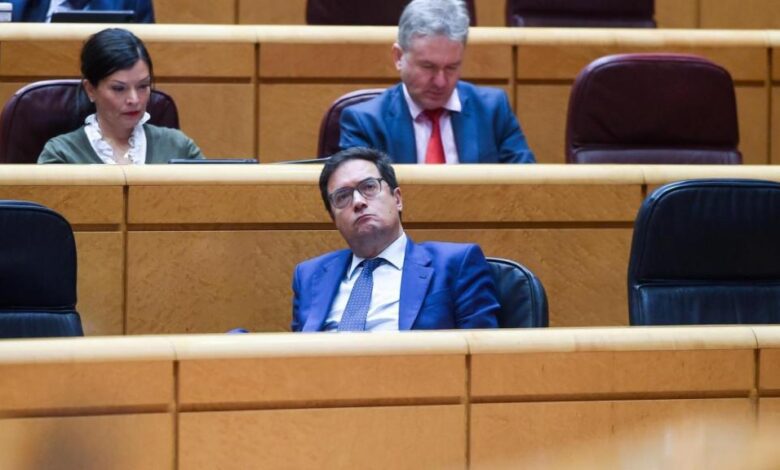
The Minister and Socialist candidate in Madrid, Óscar López, has initiated a major rally for February 8. The main goal is to protest against the healthcare policies of regional president Isabel Díaz Ayuso. Organizers are hoping to replicate the impact of the ‘white waves’—mass protests that have repeatedly paralyzed the city and drawn nationwide attention.
Leading unions such as CCOO and UGT have joined the action, along with associations advocating for patient rights. They accuse regional authorities of allowing healthcare queues to grow while keeping primary care funding at a low level. Protesters are especially outraged by the increase in referrals to private clinics, which they believe undermines the foundations of public healthcare.
Background of tension
The situation is further complicated by a wave of strikes coinciding with the scheduled demonstration. In February, healthcare workers are expected to protest against the new labor statute, along with a strike by suburban rail employees. All of this puts additional pressure on Pedro Sánchez’s government, which must answer in parliament for recent rail incidents and the country’s overall situation.
The Socialists, in turn, are seeking to shift the focus of public discontent from central authorities to regional administrations led by members of the Partido Popular. In Madrid, this strategy is seen in efforts to make Ayuso the main target of criticism, blaming her for stalling reforms and supporting the privatization of healthcare.
Arguments of both sides
In a letter to party activists, López called for immediate participation in the rally, describing it as a political duty for everyone opposing ‘thirty years of neoliberal reform dominance.’ According to him, in recent years the number of residents waiting for medical care has grown from 600,000 to over a million, and waiting times for diagnostics and specialist assistance have doubled.
There is particular concern over funding: only 11% of the budget is allocated to primary care, and the waiting time to see a doctor has increased from three days to three weeks. Mass departure of healthcare professionals is also noted, which has already led to a critical staff shortage.
Financial issues
López also points out that Madrid remains one of the regions with the lowest healthcare spending per capita—just €1,530 a year. According to his data, in 2025 the number of referrals to private clinics exceeded 247,000, which, in the view of the Socialists, amounts to double payment for the same services.
The increase in funding for private operators such as Quirón and Ribera Salud has drawn particular criticism. In 2024, López says, spending on the four public hospitals managed by Quirón increased from €715 million to €1.6 billion. This is seen as an inefficient use of public funds and an attempt to turn healthcare into a business.
Consequences for the authorities
The Socialists’ strategy aims to once again make Ayuso a symbol of protest, just as she was on the eve of the last regional elections. However, the current wave of discontent coincides with a period when the central government is also facing serious challenges—from strikes to the need to explain to parliament the causes of transport accidents.
February could become the month when social tensions in Madrid and across the country reach their peak. Regional authorities and the central government are being forced to seek new solutions to prevent the conflict from escalating. The future of the healthcare system is once again at the forefront of public debate, and the outcome of this confrontation remains uncertain.