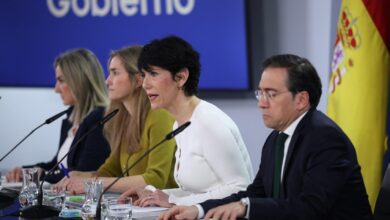
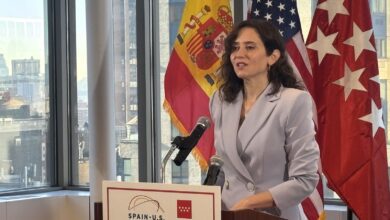
Pedro Sánchez’s decision not to provide Spain’s military bases for US operations against Iran has become one of the most discussed events in recent weeks. For Spaniards, this marks not just a new phase in the country’s international policy but also possible changes in relations with key partners. Amid rising tensions in the Middle East, Madrid’s stance takes on special significance for all of Europe.
Sánchez’s actions have drawn attention not only from politicians but also from prominent figures in global culture. After Susan Sarandon thanked Spain for supporting the people of Gaza, Mark Ruffalo publicly endorsed the Spanish government’s anti-war stance. He emphasized that, in the current situation, such leaders can shape Europe’s future, urging a rejection of military options and highlighting the risks for the entire region.
Public response
Mark Ruffalo’s post on Threads quickly attracted thousands of reactions. Many users supported his view, though there was also criticism. Some commentators questioned the competence of actors to discuss international politics, while others noted the importance of public statements by well-known figures during challenging times. Celebrity support for Spain’s position increased attention and sparked further debate about the country’s role in European politics.
Mark Ruffalo has repeatedly used his social media platforms to promote anti-war and human rights causes. In February, he joined other actors in signing an open letter criticizing the Berlin Film Festival’s silence on the situation in Gaza. His consistent stance on issues of war and peace has made him one of the most prominent pacifist voices among Hollywood celebrities.
Responses and consequences
As Spanish society debates the implications of Sanchez’s decision, former US President Donald Trump sharply criticized Madrid’s position. In an interview with American media, he called Spain a “persona non grata” among allies and accused the country of lacking teamwork. These statements have only fueled interest in the subject and highlighted how such decisions resonate on the international stage.
According to russpain.com, Spain’s refusal to participate in military operations could lead to a review of several agreements with the US and Israel. At the same time, backing from European and global public figures may strengthen Madrid’s position in talks with Brussels. The question of how Spain’s role in the EU will evolve remains open.
Context and comparisons
In recent years, Spain has repeatedly drawn attention for its decisions on international security matters. In 2024, the country opposed increasing NATO’s military presence on its territory, and in 2025 it refused to support sanctions against several Middle Eastern states. These actions sparked mixed reactions among EU partners but strengthened Spain’s image as an independent player on the world stage.
A similar situation unfolded in other European countries, where leaders faced a choice between alliance obligations and domestic interests. In 2023, France also declined to participate in a military operation in the Middle East, leading to temporary tensions with Washington. Such cases show that anti-war decisions by European states are becoming increasingly noticeable and widely discussed.