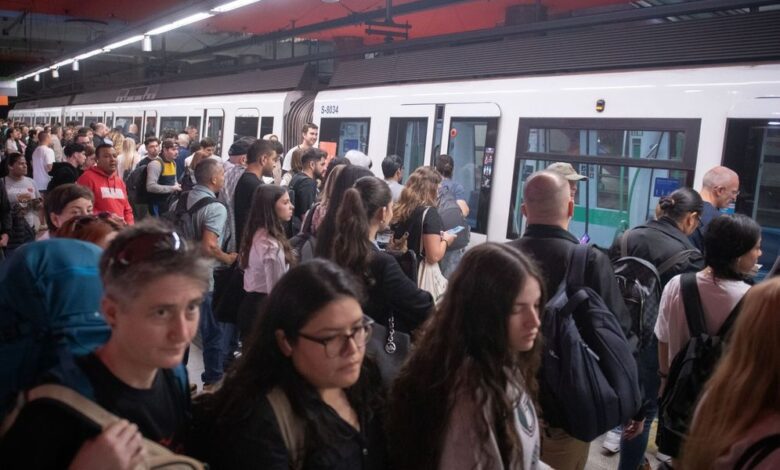
In early October, Madrid once again found itself at the heart of a transport crisis. The morning rush hours became a real ordeal for residents: traffic jams at the city entrances, overcrowded metro platforms, and chaotic movement of people hurrying to work or school. This year, the situation worsened due to several simultaneous factors that created a perfect storm for the capital’s transportation system.
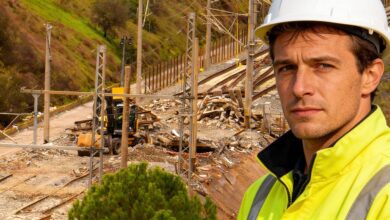
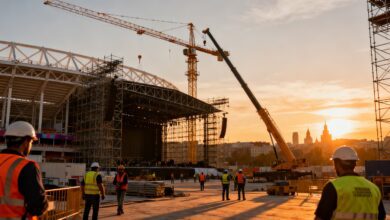
In addition to the usual autumn congestion, large-scale construction work was underway. The reconstruction of major thoroughfares such as the A5 and the northern part of Castellana, as well as repairs at the Atocha station, forced many people to leave their cars at home and switch to public transport. However, the metro also could not cope with the influx: on Line 6, which connects key transfer hubs throughout the city, fifteen stations were closed simultaneously. This line carries hundreds of thousands of passengers daily, and its partial closure immediately impacted the entire system.
The situation reached its peak around the Nuevos Ministerios station. In the morning hours, crowds gathered here, including an unusually high number of foreigners and visitors to the city. Metro staff had to restrict access to the platforms to prevent overcrowding. The corridors were buzzing with noise, and information screens were hidden behind waves of passengers. Twice as many people as usual—from students to retirees—were trying to board the trains.
The reason for such a massive gathering was not only the transport reform, but also a major event — the international Fruit Attraction exhibition. This event annually brings together agribusiness representatives from around the world in Madrid. This year, more than 120,000 people from 140 countries attended the exhibition. All ten pavilions of the Ifema complex were fully occupied by participants and guests, leading to a sharp increase in passenger flow on the metro line going to the exhibition center.
Fruit Attraction is more than just a fruit fair. Here, they discuss packaging innovations, new cultivation methods, logistics, and even environmental standards. At the stands, you can meet producers from all corners of the globe, from the Nile Valley to Latin America. By noon, participants were actively purchasing products, and at the exit from the pavilions, unusual scenes could be seen: people with bags of vegetables and fruit, and promoters handing out pieces of melon right in the parking lot.
The exhibition organizers noted the event’s success with relief, and Madrid residents breathed easier: after the forum ended, the transport situation gradually began returning to its usual pace. However, this week will long be remembered as one of the most intense for the city’s infrastructure.