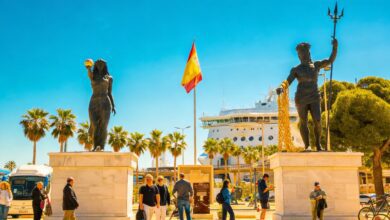
On September 11, demonstrations dedicated to Catalonia’s national day took place once again in Barcelona. This time, however, the city streets were not packed to capacity: estimates say around 28,000 people gathered on Passeig de Colom. This is noticeably fewer than in previous years, when similar events attracted much larger crowds.
Rallies were also held in Girona and Tortosa, but on an even smaller scale. In Girona, about 12,000 independence supporters gathered in the main square, while in Tortosa there were only around 1,500. Despite traditional symbols and slogans, these events had a less spirited atmosphere than usual. Many participants noted that the movement for Catalonia’s secession is going through tough times.
Organizers from the Catalan National Assembly (ANC) tried to revive the old enthusiasm, but this time the calls for independence did not resonate as before. Skepticism was more evident in the crowd than determination. Some participants discussed that after losing control of the Generalitat, the movement is searching for new direction and leadership.
Authorities in Barcelona maintained order on the streets, preventing any serious incidents. However, the nature of the holiday itself has changed: instead of a unified push for independence, the streets were marked by a sense of fatigue and disappointment. The question of the future of the Catalan movement remains open, and this year’s Diada reflects the changes taking place in the region’s society.