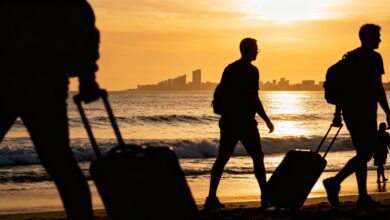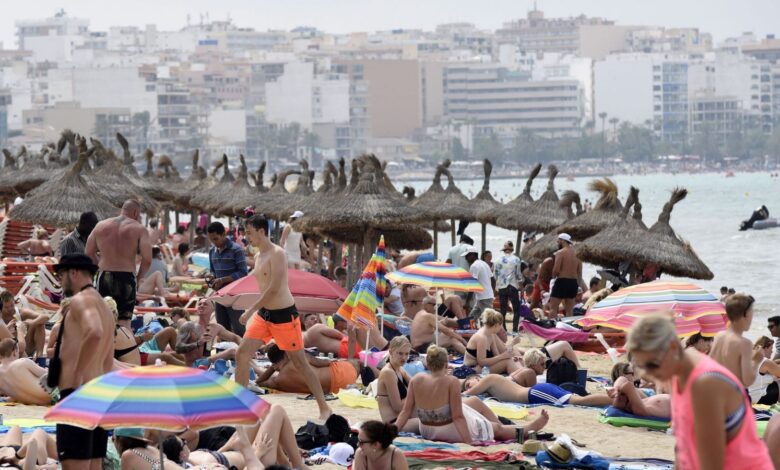
Mallorca, the largest island in the Balearic archipelago, is once again in the international spotlight due to a surge in tourism. Each year, more than thirteen million visitors come to the island, while the permanent population does not exceed one million. This ratio has caused growing discontent among locals and has become a topic of discussion in major European media.
In recent months, the German press has been actively analyzing the situation in Mallorca. Publications note that the island is facing serious strain on its infrastructure, and both the quality of vacations and daily life are noticeably declining. Reports highlight that the traditional vacation experience in Mallorca is changing: tourists complain about overcrowded beaches, high prices, and deteriorating environmental conditions. Some German tourists have already started choosing alternative destinations, such as Greece, to avoid the crowds and rising costs.
British media are also drawing attention to the issue. Journalists point out that Mallorca has become an example of the contradictions of mass tourism: on one hand, the island remains a popular destination for family holidays, while on the other, more British travelers are considering changing their routes due to overcrowding and rising prices. Publications include stories of families who have opted for less crowded resorts to escape the crowds and maintain their usual level of comfort.
The French press has also covered the situation in Mallorca. Reports highlight that the island risks losing its status as a natural and cultural sanctuary. Journalists point out that mass tourism affects not only the environment but also the traditional way of life of local residents and the availability of housing for the population.
The international attention to the problem of mass tourism in Mallorca reflects a shift in how the island is perceived abroad. In the countries from which most tourists traditionally come, the consequences of overcrowding are increasingly discussed, and solutions are being sought. Meanwhile, local residents continue to debate the need to review tourism policy and find a balance between economic benefits and maintaining quality of life.
Experts note that if the trend continues, Mallorca may face a decline in tourist numbers, which would impact the regional economy. The island authorities are already considering measures to limit the number of visitors and improve infrastructure to reduce the strain on natural and urban resources.
Thus, the situation in Mallorca is becoming an example for other popular Spanish tourist destinations, where the issue of sustainable tourism development is also being discussed. In the coming years, the island will have to find a balance between the interests of tourists, residents, and the preservation of its unique nature.