A sharp drop in food prices at Spain’s largest supermarket chain Mercadona has become a notable event for millions of families. Since the beginning of 2026, the company has revised the prices of hundreds of items, immediately impacting household budgets. At a time when grocery expenses remain one of the main components of family spending, these changes are especially significant for local residents.
According to RUSSPAIN, during the first three months of the year Mercadona reduced prices on 300 food products. This is not just a marketing move—it concerns real changes on store shelves. The price cuts are linked to cheaper raw materials, allowing the revision of popular goods’ prices. The list includes both seasonal vegetables and everyday staples.
Market impact
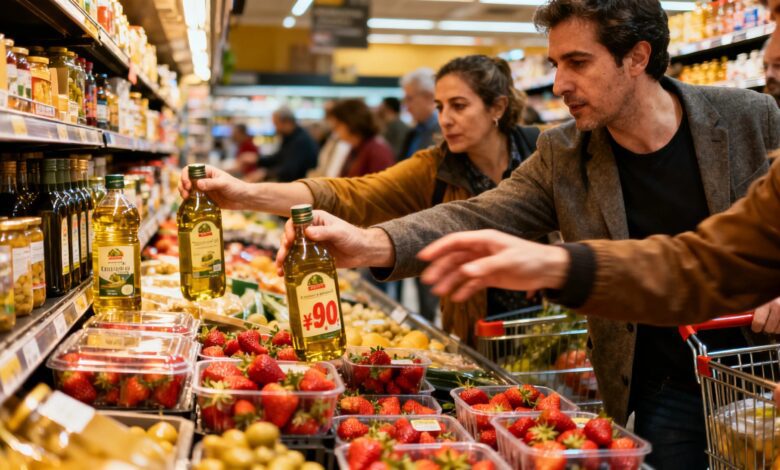
Particular attention was drawn to price changes for products such as fresh strawberries, oil, rice, and eggs. For example, the price of artichokes per kilogram dropped by more than 60% and now stands at 1.9 euros. Strawberries are down 41%, selling at 5 euros per kilo. Oil has become 37% cheaper, now priced at 5 euros as well. These figures stand out sharply against the general supermarket price levels across the country.
Other examples include the store’s own brand milk chocolate, now priced at 1.5 euros, 17% cheaper than before. Sliced Gouda cheese fell by 8.5% to 2.15 euros. Hacendado long-grain rice now costs 1.25 euros per kilogram, 7.4% less than the previous price. Large eggs are also more affordable: their price dropped by 3%, now 3.2 euros per dozen.
Reasons for the changes
The management of Mercadona explains these steps by the decrease in raw material costs and their commitment to the SPB (Siempre Precios Bajos) strategy. This policy aims to ensure that customers always find affordable prices in stores, without temporary promotions. In 2025, the company invested €1.7 billion in expanding production facilities, launching new lines and warehouses, and broadened its range by adding 400 new products and 34 innovative items.
As a result of these investments and changes in logistics, it has become possible to reconsider the prices of many products. As RUSSPAIN notes, such decisions affect not only consumers but also competitors, prompting them to respond to new market conditions. For Spanish families, this means the opportunity to save on everyday purchases without sacrificing quality.
Trends and consequences
Mercadona’s price reductions may serve as a signal for other chains, which may also have to adjust their pricing strategies. In recent years, the Spanish food market has faced rising prices due to inflation and increased raw material costs. Now that the situation is changing, customers have the chance to reconsider their habits and choose more advantageous offers.
Looking back at similar cases, it is worth noting that in 2024 several major chains had already attempted to temporarily reduce prices on certain product categories. However, such a large-scale and systematic approach as taken by Mercadona had not been seen then. Now, this is about a long-term strategy that could change household spending patterns and influence overall market trends.
In recent years, Spanish supermarkets have periodically announced price reductions on specific products, but such a broad and simultaneous drop in several key items is rare. Usually, these actions occur during periods of decreasing inflation or after successful raw material purchases. For example, in 2023 some chains reduced prices on vegetables and fruits following a good harvest, but the changes were less noticeable for shoppers then. The current situation stands out in terms of both its scale and product range.