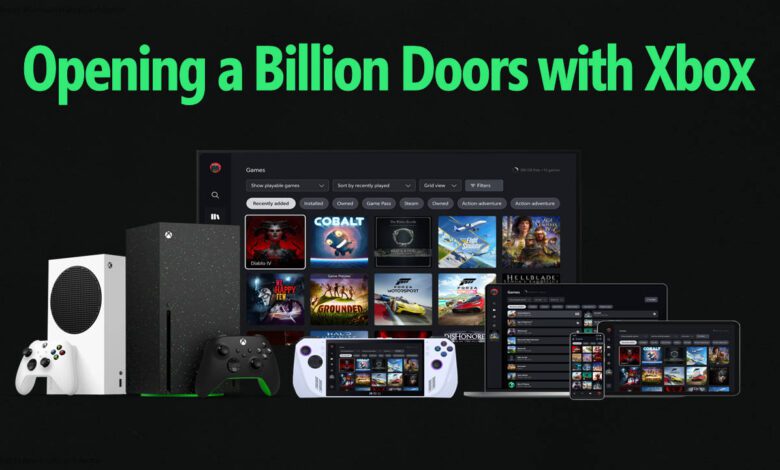
Transition to a hybrid architecture
In 2025, Microsoft officially confirmed the development of a new generation gaming console under the codename Xbox Magnus. The company is focusing on integration with PCs, which is reflected not only in hardware but also in software solutions. This approach is aimed at strengthening Xbox’s position among competitors and making it easier for both users and developers to switch between platforms.
Xbox Magnus will not be a budget device. Its price is expected to surpass the usual market range, justified by its expanded capabilities and focus on users seeking all-in-one solutions. Microsoft aims to create a product that combines the best features of gaming consoles and personal computers.
Developer tools update
In October 2025, the company unveiled a major update to its Game Development Kit (GDK). For the first time, documentation included a direct hint at support for Xbox Magnus, marking an important moment for the industry. The new GDK version introduces tools that allow projects to be created simultaneously for multiple platforms, including Windows and the future console.
One of the key innovations is the GameInput API, which provides unified handling of signals from various input devices — keyboard, mouse, gamepad, and even custom controllers. This solution minimizes latency and ensures consistent control quality across both PC and console. For multiplatform games, especially those supporting Xbox Play Anywhere, this opens up new opportunities for gameplay unification.
New services and cloud support
Other updates include the introduction of PlayFab Game Saves, a cloud service for storing and syncing game saves across different ecosystems, including Steam and Xbox. The system automatically resolves potential file conflicts and works offline as well. This greatly simplifies the task for studios wanting to implement cross-platform features.
A new manager, the Xbox Game Package Manager, has also been introduced to automate the process of preparing and uploading games to the Microsoft ecosystem. Developers can now build versions for different platforms from a single codebase, with automated checks and support for multiple languages. This should speed up certification and publication of projects.
ARM support and expanded capabilities
The GDK update introduces support for creating executable files for x64 and ARM64 architectures. This move highlights Microsoft’s intention to expand native gaming on ARM-based Windows devices. In addition, Xbox Cross-Platform Gaming Runtime integration will bring Xbox social features and authentication to games released on other platforms, including Steam. This will simplify creating cross-platform gaming sessions and merging user profiles.
All new tools are gradually being consolidated into the unified PlayFab Unified SDK platform. Microsoft expects this solution to make cross-platform development accessible not only to major studios, but also to smaller teams. As a result, the Xbox Play Anywhere concept could become an industry standard, rather than a rare exception.
The shift toward a hybrid model and the update of development tools demonstrate Microsoft’s serious commitment to expanding its gaming ecosystem. Xbox Magnus is expected to become not just another console, but a fully-fledged platform for next-generation gaming.