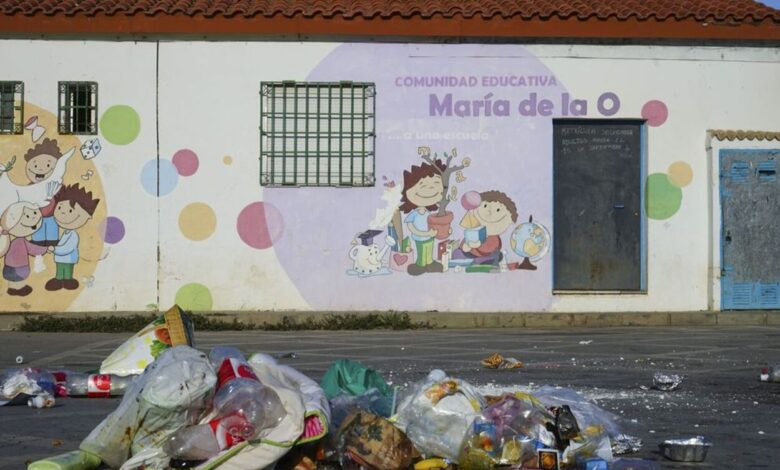
On the northwestern outskirts of Málaga, tucked between a cemetery, an old landfill, and metro workshops, lies a neighborhood rarely mentioned in tourist guides. Los Asperones is more than just a temporary settlement—it’s a place where time seems to have stood still. There are no shops, playgrounds, or streetlights here, and the houses resemble shacks more than proper homes. Almost forty years ago, authorities promised that people would stay here for no more than five years. But for over a thousand residents, this ‘temporary’ address has become a lifelong trap.
From the very beginning, Los Asperones was intended as a temporary refuge for families affected by the 1989 floods. One hundred seventy-five houses were built across three zones, but over time, the area became a symbol of chronic poverty and social isolation. Despite numerous initiatives to eliminate the settlement, none have ever been carried out. Instead, authorities repeatedly commissioned new studies, but real change always passed Los Asperones by. Residents have become accustomed to conditions many would consider unacceptable: overcrowding, poverty, a lack of basic amenities, and the persistent stigma of ‘the ghetto.’
Social dead end
The district’s problems have repeatedly been referenced in reports by the Andalusia ombudsman and even in UN documents. These highlight human rights violations, lack of access to education, healthcare, and employment. In 2020, the UN Special Rapporteur on extreme poverty described living conditions in Los Asperones as “catastrophic.” The area is home mainly to Roma families, most of whom have remained trapped in a cycle of poverty for years.
The most recent analysis commissioned by Andalusian authorities in 2024 found that the situation has changed little. Unemployment in the district reaches 82%, and a quarter of residents rely on government benefits. A third of the population are children under 16, yet only two teenagers are enrolled in high school or university. Women make up the overwhelming majority of minimum income recipients, underscoring the feminization of poverty. One in eight residents suffers from mental health issues, most commonly anxiety and depression. Among chronic illnesses, diabetes and asthma are most prevalent, which experts link to constant exposure to fumes from burning tires and scrap metal. Addiction problems are reported in 3% of the population.
Housing and infrastructure
Nearly three quarters of the buildings in Los Asperones have been declared unfit for habitation. The situation is especially dire with the so-called ‘cubby rooms’ that residents built themselves from whatever materials were at hand. More than half of the families are forced to squeeze into these conditions, lacking proper heating and plumbing. Water and electricity are supplied intermittently, and the nearest clinic is almost three kilometers away. A single bus line connects the district to the city, but the metro doesn’t reach here. Even as new apartment complexes are rising nearby and the university campus is expanding, Los Asperones remains cut off from the rest of the city.
Researchers describe the neighborhood as an ‘island,’ isolated from the outside world. Social exclusion and stigma only worsen the situation for residents, making it harder for them to integrate into city life. Many are tired of hearing officials promise a relocation that never comes. After decades of waiting, hope for change has nearly vanished.
Relocation plans
In 2025, the authorities of Andalucía and Málaga once again announced plans to relocate the residents of Los Asperones. To facilitate this, the area was officially designated as a “degraded zone,” making it eligible for state subsidies. Under the new rules, each family being relocated can receive up to €5,000 per year for five years, along with funding covering up to 80% of the cost of demolishing old structures. Up to €50,000 is available for the purchase or construction of new housing, and up to €15,000 for renovations. The authorities are asking the central government to join the program’s funding.
Even officials admit: quick solutions should not be expected. The relocation process will be gradual and, according to administration representatives, “discreet.” They promise to provide updates only when everything is completed. Experts advise against drawing premature conclusions and recommend waiting for concrete steps from the authorities.
Life on hold
Nearly 90% of adult residents in Los Asperones dream of leaving the neighborhood and starting a new life in decent conditions. But relocation is about more than just changing addresses — most families will need support and guidance on their path to integration. Over 80% are willing to take part in social programs, but two-thirds require assistance for at least six months, while some need comprehensive support due to deep social isolation.
For now, Los Asperones remains a place where time seems to have stood still. The neighborhood has been waiting for change for almost forty years, and its residents continue to hope that one day they will be able to break free from the vicious cycle of poverty and isolation.