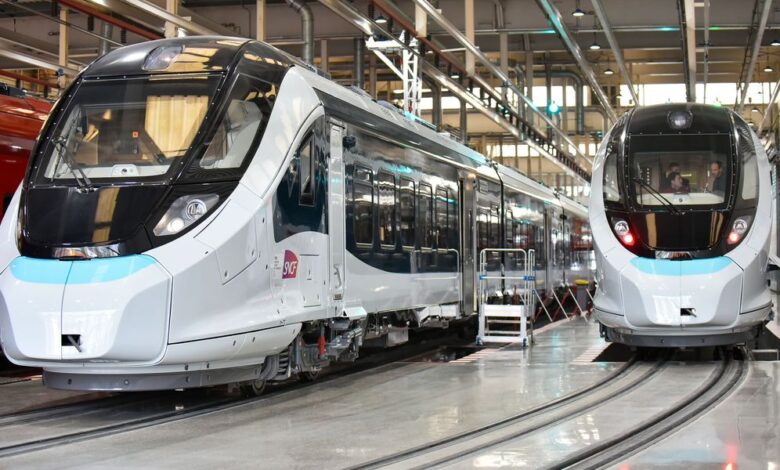
Residents of northern regions in Spain who rely on commuter trains have once again found themselves at the mercy of an ongoing transport reform. The renewal of rolling stock, first promised back in 2020, has now been pushed back to 2027. This decision has dealt a real blow to thousands of passengers already accustomed to constant delays and cancellations.
Old trains, many of which have been in operation for over forty years, continue to run between cities in Asturias and Cantabria. Despite hundreds of millions of euros allocated and contracts signed, the replacement process stalled due to miscalculations in the design stage: the new trains turned out to be too wide for the existing tunnels. After a series of personnel changes and revised plans, the delivery timeline was first set back to 2026 and now has been delayed to 2027.
Passengers face numerous inconveniences every day. The most problematic routes remain those connecting cities such as Oviedo, Gijón, Cudillero, and San Esteban. People complain not only about regular delays but also about minimal maintenance, staff shortages, and poorly timed schedules. For instance, it is almost impossible to travel from Luarca to Oviedo and back in one day: the first train leaves only after noon, while the last return trip departs too early.
The lack of mobile connectivity at stations and platforms creates additional problems: when trains are cancelled, passengers are unable to notify their loved ones or change their plans. Travel time between cities only 90 kilometers apart can sometimes exceed three hours. This leaves local residents frustrated and bewildered, as they spend just as much time on these trips as on journeys to the nation’s capital.
Demands for change and the authorities’ response
Civil organizations are calling for new semi-fast routes that would link the region’s major cities with minimal stops. In their view, the current system—with dozens of underused stations—only increases travel time and makes rail transport less attractive.
Local authorities in Asturias and Cantabria have responded differently to the situation. In Asturias, blame is shifted onto the central government, while in Cantabria officials openly express dissatisfaction not only with delays but also with a lack of transparency in communication. Regional representatives are demanding clear explanations about the production stages of new trains and the deadlines for their launch.
For now, residents of northern Spain have to put up with outdated equipment and an unpredictable schedule, while hopes for a quick improvement fade with each new postponement.