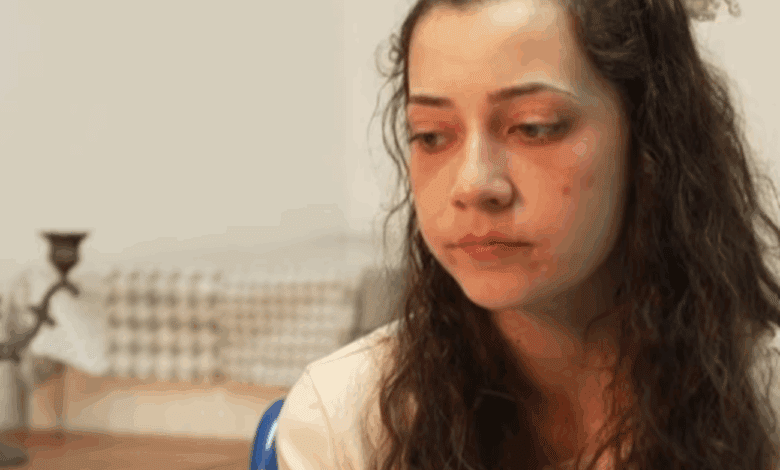
Spain is once again debating the boundaries of personal choice and laws on the right to die with dignity. The story of Noelia Castillo, a Barcelona resident, has sparked major debates about the permissibility of euthanasia and the role of the state in citizens’ lives. After tragic events that seriously impacted her health, her decision to use the law on medically assisted death prompted a wave of responses from politicians, public figures, and ordinary Spaniards.
Noelia Castillo’s case drew attention not only because of her personal tragedy, but also because it exposed contradictions in how Spain’s 2021 euthanasia law is perceived. According to RUSSPAIN, it was this law that allowed Noelia to officially seek help from Catalonia’s medical services. Her story quickly went beyond a private drama, becoming a topic of national and international discussion.
Public response
Reactions to Noelia’s decision divided society. Many saw her action as an expression of personal will and an attempt to escape constant suffering, while others viewed it as a consequence of failures in the support system for victims of violence and people with disabilities. Social media and traditional media featured calls to rethink approaches to helping people in similar situations. Well-known figures, including James Rhodes and Eduardo Verástegui, publicly offered their support, hoping to change her mind.
The involvement of prominent politicians and entrepreneurs only intensified the debate. President of El Salvador Nayib Bukele and businessman Elon Musk commented on the situation, emphasizing that such cases reflect deep-rooted issues in approaches to human rights protection. Some critics accused the Spanish authorities of failing to provide adequate protection for the victim and called the euthanasia law itself controversial.
Legal and family disputes
Noelia’s relatives, particularly her father, tried to challenge the decision to carry out the procedure in court, enlisting the support of public organizations. The legal proceedings lasted two years, which further increased attention to the issue. Despite the opposition, the Catalonia Guarantee and Assessment Commission recognized Noelia’s right to have her wishes fulfilled, setting a precedent for similar cases in the future.
During the discussion, many experts noted that such situations require not only legal but also ethical evaluation. The question of where the line lies between support and interference remains unresolved. Spanish society now faces the need to reconsider its approach to supporting people with severe injuries and chronic illnesses.
International response
The story of Noelia Castillo sparked reactions far beyond Spain. Representatives from various countries and international organizations joined the discussion. Some see this as a call to reconsider current legislation, while others view it as grounds for stricter oversight of euthanasia procedures. In any case, Noelia’s case has become a catalyst for new debates about human rights and the role of the state in matters of life and death.
In recent years, Spain has repeatedly faced high-profile cases related to the application of the euthanasia law. Each incident has triggered heated debates and led to new court appeals. Analysis by russpain.com indicates that such stories are becoming increasingly prominent, while public demand for clear rules and transparent procedures is growing. Similar debates are taking place in other European countries, highlighting the global nature of the issue.