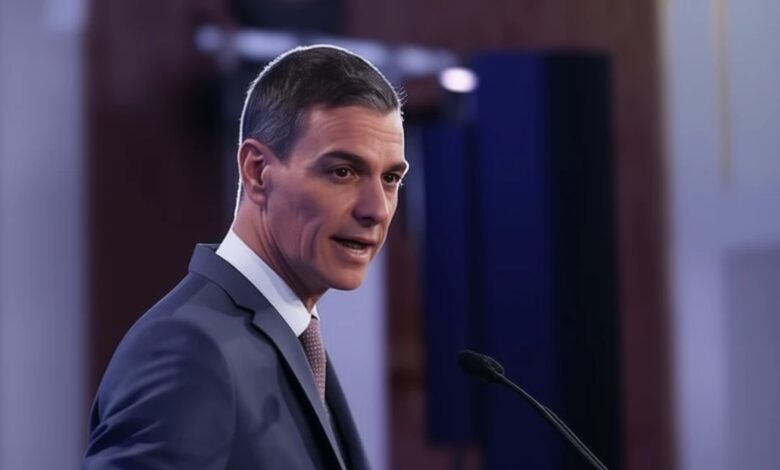
Pedro Sánchez made an unexpectedly strong statement about NATO’s future. He said that if the United States launches a military operation in Greenland, it could be a point of no return for the entire North Atlantic alliance. Sánchez did not hide his view that such a move could not only weaken but effectively destroy the alliance that for decades has been considered Europe’s security guarantor.
At the same time, the Prime Minister of Spain emphasized that Europe can no longer rely solely on outside powers. He called on EU member states to speed up integration and consider creating a unified defense system that would not depend on the agreement of all 27 countries. According to Sánchez, the time has come for real action, not endless discussions at the level of ideas.
European Defense
In recent months, calls for a truly European army have grown louder. Sánchez noted that some countries are already prepared to move in this direction, even if not all EU members back the initiative. He believes this is the only way Europe can defend its interests amid rising instability.
The Prime Minister did not go into detail but made it clear that discussions are not just talk. Behind the scenes in European capitals, there is a growing feeling that dependence on NATO is becoming risky. Especially considering that the actions of a single ally could threaten the entire security architecture of the continent.
The Greenland Factor
Sánchez is particularly concerned about the prospect of a unilateral annexation of Greenland by the United States. He believes that such a scenario would not only trigger a crisis within NATO but also set a dangerous precedent for other global players.
Tensions in the Arctic region are rising. The question of possible Spanish military involvement in the area remains unresolved. Sánchez emphasized that no decision has been made yet, and Spain will not act alone. All steps will be discussed with allies and domestic opposition.
Spain’s stance
Madrid is maintaining a cautious approach for now. Spain keeps channels open with key players but is in no rush to send troops north. Sánchez made it clear that any decision must be carefully considered, weighing not only the military but also the political risks.
At the same time, Spain is already taking measures to strengthen its own defense. The country is increasing its military budget, taking part in joint European programs, and continues to support missions along the eastern borders of the continent. However, the prime minister categorically rejected calls to sharply raise defense spending to 5% of GDP, as some allies demand.
Money and priorities
Sánchez stated that Spain will not sacrifice social, educational, or scientific programs for the sake of an arms race. In his view, the current level of defense spending—just over 2%—fully meets the country’s commitments to NATO. As an example, he cited Denmark, which agreed to 5% and is now facing pressure from Washington.
Madrid believes that maintaining a balance between security and societal development is more important than simply fulfilling formal requirements. Spain is not willing to follow the lead of external players if it threatens domestic stability.
A Test for Europe
The situation around Greenland has become a litmus test for all of European security policy. Like many other countries, Spain is faced with a difficult choice: to follow in the wake of the United States or to seek its own path. Sánchez made it clear: the time for easy solutions is over, and what’s at stake now is not only the fate of NATO but also the future of Europe itself.