For Spanish fans, English football has long symbolized unpredictability and passion. The recent FA Cup quarter-final between Leeds United and West Ham United confirmed this reputation: the outcome was decided only after a penalty shootout, and the result could impact the tournament’s balance of power. Leeds reached the semi-finals for the first time since 1987, sparking lively discussion among football supporters in Spain, where English club achievements are keenly followed.
The match at London Stadium began with the visitors clearly dominating. Leeds quickly seized the initiative and by the end of regular time held a two-goal lead. The first goal came via a deflection from Ao Tanaka’s shot, while the second was converted by Dominic Calvert-Lewin from the penalty spot. It seemed the suspense was gone, but stoppage time completely changed the storyline. West Ham managed to draw level thanks to precise strikes from Mateus Fernandes and Axel Disasi—a real shock for the visitors and their large following.
Last-minute drama
In the closing stages of regular time, West Ham showed real character despite a difficult first half. During the 11 minutes added by the referee, the hosts scored twice, reviving the suspense and their hopes of reaching the semi-finals. Such a turnaround is rare even in English football, where dramatic finishes are not uncommon. According to RUSSPAIN, comebacks like this in the FA Cup happen no more than once in several seasons.
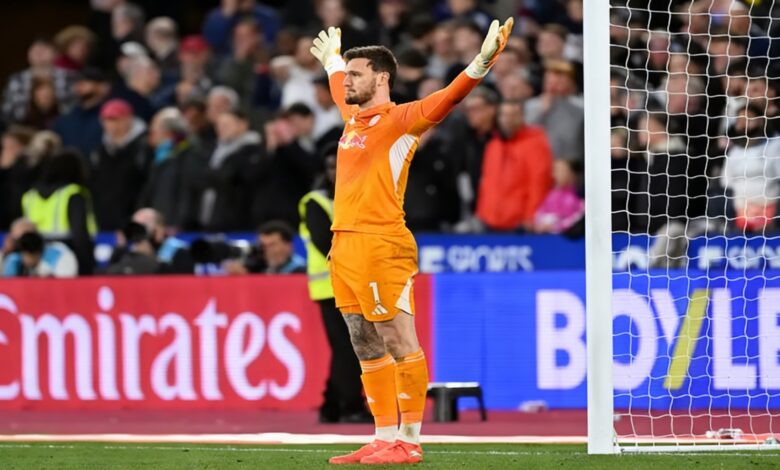
Extra time did not produce a winner, and the outcome of the match was decided by a penalty shootout. Here, the goalkeepers came to the fore: West Ham had 20-year-old Finlay Herrick in goal, who took the field after first-choice keeper Alphonse Areola was injured. This was Herrick’s debut at senior level, and he managed to save a shot from Joël Piroe. However, West Ham’s captain Jarrod Bowen missed the very next penalty, and then Pablo failed to beat Leeds’ keeper Lukas Perry. The decisive penalty was scored by Pascal Struijk, securing a 4-2 shootout victory for Leeds.
Consequences for the clubs
For West Ham, the defeat was especially painful amid their battle to stay in the Premier League. The club sits 18th and faces the risk of relegation from the top tier of English football. Before the match, team captain Jarrod Bowen noted that success in the Cup could have lifted the mood in the dressing room and given fans something to be proud of. However, after the dramatic finish and the loss in the penalty shootout, West Ham is forced to focus on their upcoming league matches, where every game now takes on added importance.
Leeds, backed by 9,000 traveling fans, earned another chance to play at Wembley. In the semi-finals they will take on Chelsea, a match that is already drawing interest from Spanish football fans who traditionally follow the performances of English giants. For Leeds, it is not only an opportunity to repeat their 1972 triumph, when the club won the FA Cup, but also a chance to reclaim their status as one of the country’s most talked-about teams.
Historical context
A penalty shootout in the FA Cup always draws attention, as this is where new heroes often emerge and unexpected twists unfold. In recent years, such matches have generated discussion in Spain: for example, in 2024, Manchester United reached the semi-finals after a dramatic penalty shootout, while a year earlier Liverpool knocked out Arsenal in a similar situation. These encounters highlight just how crucial psychological resilience is for players and coaches at decisive moments of the tournament.
The history of the FA Cup includes many instances when underdogs or teams not considered favorites achieved success thanks to resilience and the ability to cope with pressure. Leeds’ victory this season could spark new interest in the club and impact transfer plans and the team’s development strategy. Next, Leeds face Chelsea at Wembley in what promises to be one of the spring’s most anticipated matches.