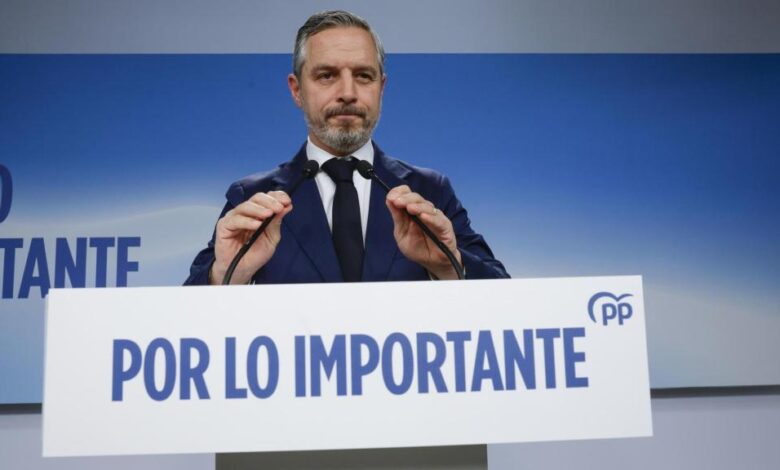
Spaniards are closely following events that could reshape not only the political landscape, but also the daily lives of millions. The decision by Partido Popular (PP) to oppose the pension review and their sharp criticism of the government following the Adamuz railway tragedy have sparked a storm of debate. At stake are not only the financial security of retirees but also trust in the country’s safety system.
PP claims the government is using the pension law as a tool to strengthen its position in parliament, rather than to genuinely improve citizens’ lives. According to party representatives, funds that could be directed towards the modernization and maintenance of rail infrastructure are instead going to political deals. This accusation has become especially pointed in the wake of the recent catastrophe in Adamuz, where, according to the opposition, specialist warnings about track conditions were ignored.
Accusations against the minister
At the center of the scandal is Transport Minister Óscar Puente, whom the PP holds directly responsible for the tragedy. Party officials claim that numerous warnings from train drivers about risks on the Adamuz line were ignored, while trains continued to run through dangerous sections. According to them, this was one of the causes of the catastrophe, which claimed dozens of lives and left the country in shock.
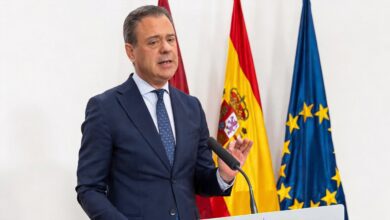
Juan Bravo, one of the key PP representatives, is demanding the immediate resignation of the minister, stressing that Puente should not attend the upcoming Council of Ministers meeting. According to the opposition, the minister not only acted negligently but also tried to conceal details of the incident to minimize the political fallout for the government.
Political manipulation
The PP links the Adamuz tragedy to the government’s broader strategy, accusing it of using social initiatives as a means to maintain power rather than address real issues. According to Bravo, the current pension law is filled with political concessions unrelated to the system’s sustainability and serves only to secure parliamentary support.
The opposition claims that the government is deliberately distracting public attention from infrastructure problems, replacing real reforms with loud statements. As a result, in the PP’s view, not only pensioners suffer, but all citizens who rely on public services.
Public response
Public opinion is at a tipping point: many Spaniards express concern over how authorities respond to tragedies and manage state resources. After the catastrophe in Adamuz, worries about transport safety and the transparency of government actions have grown. On social media and in the streets, people are asking: why were experts’ warnings ignored, and who will be held accountable for what happened?
The PP emphasizes that the explanations provided by the government after the accident have only deepened distrust and sparked a new wave of public discontent. According to the opposition, attempts to hide details of the incident and confuse the public with technical terms have only worsened the situation.
Consequences for the country
The scandal around pensions and the Adamuz train disaster has put Spain’s entire political system to the test. With no parliamentary majority and faced with other crises, the government has come under pressure not only from the opposition but also from society at large. Issues of trust in the authorities and the effectiveness of public resource management have again come to the forefront.
The PP maintains that the current situation is the result of systemic mistakes and priorities skewed toward political survival. While taxes and fees continue to rise, the quality of public services, according to the opposition, is only getting worse. The main concerns remain the fate of pensioners, transport safety, and the future of the country as a whole.