The scandal surrounding Plus Ultra has once again grabbed the attention of Spanish society following revelations about payment schemes linked to the airline’s government bailout. For many Spaniards, this story has become a symbol of how closely business, politics, and international interests can intertwine. The fallout from such disclosures can undermine public trust in institutions and raise new questions about the transparency of public fund allocation.
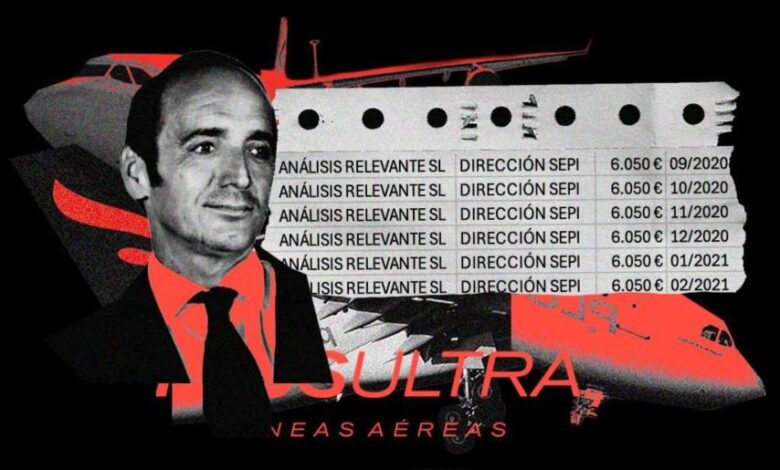
Internal Plus Ultra documents shed light on a series of payments made to Julio ‘Julito’ Martínez, a close friend of former Prime Minister José Luis Rodríguez Zapatero. While the company was negotiating for state support, €36,000 was transferred to the accounts of Análisis Relevante SL, a firm owned by Martínez. These payments were recorded as ‘Sepi guidance’—with this government agency being responsible for analyzing and supervising the airline rescue deal.
After the Council of Ministers approved the €53 million bailout for Plus Ultra, the wording on the invoices changed. Investigators found a draft contract indicating Martínez was to receive 1% of the bailout sum. From August 2020 to November 2025, Plus Ultra transferred a total of €301,000 to Análisis Relevante SL. The company claims these funds were not connected to government lobbying, but documents and testimony have raised investigators’ doubts.
Investigation and Suspicions
The investigation links these operations to potential money laundering and fraud. The case involves not only Plus Ultra executives and Martínez, but also connections to Venezuela, where, according to investigators, illegal deals with gold and food products took place. The documents mention the CLAP programs related to food distribution in Venezuela, as well as money transfers through Panama and the sale of luxury goods to legitimize income.
During the investigation, six invoices were found with notes indicating a link to negotiations over the airline’s bailout. Meanwhile, Martínez was receiving monthly payments for “report preparation,” but specific details of these services were not disclosed. Investigators point out that some documents and correspondence were destroyed shortly before the suspects were detained.
Among the suspects are ten individuals, including top executives of Plus Ultra and Martínez himself. Investigators believe their companies may have laundered funds obtained through corruption schemes involving Venezuelan officials. Case files also state that former Prime Minister Zapatero received €450,000 from the same company, Análisis Relevante SL, for “global consulting.”
International Connections
The investigation extends beyond Spain. The money trail leads to France and Switzerland, where, according to investigators, a Spanish lawyer was involved. Venezuelan authorities signed an agreement to exchange oil for food in the CLAP programs, and part of the funds were allegedly moved through offshore structures. Spain’s anti-corruption prosecutor suspects that state subsidies may have been used to finance these schemes.
Details have emerged about the sale of expensive watches and other luxury items, which investigators believe were used to launder illegal proceeds. During searches, authorities seized documents confirming the movement of funds between Spain, Panama, and other countries. The investigation continues to examine financial flows and the connections among those involved.
Recalling other high-profile cases involving suspicious financial transactions, it’s worth noting that Spain recently discussed a case involving large amounts of cash, secret meetings, and mysterious envelopes, with the suspects pointing fingers at each other. More details on this investigation can be found in the article on the cash scandal and financing, which also sparked widespread public reaction.
Context and consequences
In recent years, Spain has faced a series of investigations linked to the use of public funds and suspicious financial schemes. Scandals involving subsidy allocation and the participation of politicians and businesspeople in international deals are becoming increasingly common. These cases often feature offshore companies, complex money transfer arrangements, and attempts to conceal the real beneficiaries.
International connections and the involvement of foreign entities make investigations more complex and widen their scope. The growing demand for transparency in public spending and the fight against corruption reflect society’s increasing distrust of institutions. Every new case sparks debate about the need for reforms and tighter controls over the allocation of budgetary funds.