The Plus Ultra payments scandal has once again come under the spotlight amid suspicions of fictitious services and possible money laundering. For Spaniards, this story is significant not only because of the high-profile names involved, but also due to concerns about transparency in the use of public funds. The situation affects trust in institutions and has sparked fresh debates about financial oversight.
After an investigation began into the state bailout of the Plus Ultra airline, the company ended its relationship with Julio Martínez (Julito Martínez), known as a close friend of the former prime minister. However, following the case’s closure, ties were restored and Martínez again secured a consulting contract. Between 2020 and 2025, his companies received almost €459,000 from Plus Ultra for various advisory and support services.
Contracts and suspicions
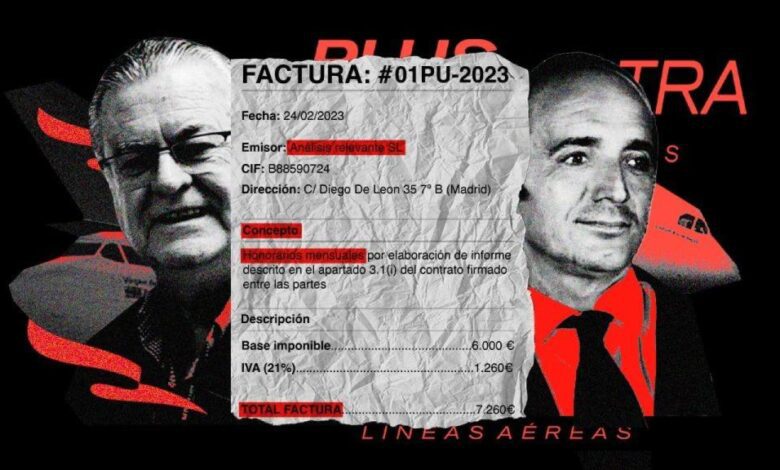
Internal airline documents show that most of the payments were made through Análisis Relevante SL, where Martínez plays a key role. This entity was used to formalize two major consulting contracts, worth €249,000 before taxes. In addition, two other companies linked to Martínez were paid for allegedly managing flights and providing assistance between Madrid and Caracas.
Investigators from the economic crimes unit did not find any supporting documents to prove that the services were actually provided. This raised suspicions that the work may have been fictitious and that the payments themselves could have been a means to legalize funds. Interestingly, the amount received by Martínez’s companies matches the fee he paid to the former prime minister for the so-called ‘global consultation.’
The return of contracts
After the judge closed the criminal case concerning the rescue of Plus Ultra, Martínez and the airline once again signed a consulting agreement. From that point, he stopped invoicing through his other firms and no longer accompanied any flights. In February 2023, he received another €6,000 for monthly reports, and the partnership ended in November 2025.
Despite the lack of reports and supporting documents, Plus Ultra representatives claim that work was carried out continuously and that their relationship with the consultant was transparent. However, investigators are continuing their review, suspecting that the contracts may have served other purposes. The total sum paid by Martínez’s companies exceeded €555,000 including taxes, equivalent to 1% of the amount of state aid.
Financial ties and new questions
Two companies through which the payments were made were registered in Alicante shortly after the government approved the airline’s bailout. Plus Ultra’s accounting records show invoices related to negotiations with state entities. All of this intensifies suspicions that the scheme might have been part of a more complex financial arrangement.
Investigators continue to examine possible episodes of money laundering and fraud. Interest in the case is fueled by the uncanny match of amounts paid by Martínez to the former prime minister and funds received from Plus Ultra. Final conclusions have yet to be drawn, but attention to the details remains high.
In recent years, Spain has faced several high-profile cases involving suspicious consulting contracts and payments for services that are difficult to document. Such schemes often become the focus of investigations, especially when they involve companies receiving government support. Past incidents with other transport and energy firms also raised concerns about spending transparency and the actual delivery of services. These cases highlight the importance of monitoring the allocation of budget funds and generate significant public response.