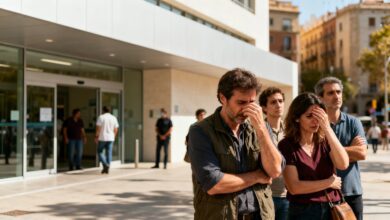
A high-profile investigation into the catastrophe in Valencia is back in the spotlight. Spanish society is closely watching how top political figures are held accountable after the tragedy that claimed hundreds of lives. The summons of Alberto Núñez Feijóo to Congress has become one of the most talked-about events in recent months, with trust in the system of governance and the future of regional leadership on the line.
On Monday, the leader of the Partido Popular is scheduled to appear before a parliamentary commission to clarify his position on managing the aftermath of the devastating dana that struck Valencia on October 29, 2024. The disaster led to the deaths of 230 people in just one province. Questions directed at Feijóo concern not only his personal decisions, but also why Carlos Mazón remained president of the autonomy and the party after the tragedy.
Congressional questioning
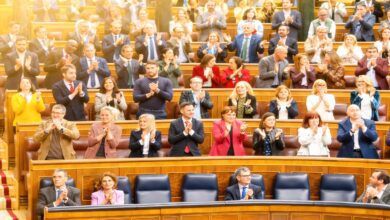
The parliamentary commission aims to uncover how key decisions were made in the days following the catastrophe. Special attention is being paid to why the regional leadership was not replaced despite the scale of the tragedy. Feijóo will have to answer questions from representatives of all parliamentary factions, who are demanding transparency and explanations regarding the actions of both central and regional authorities.
Almost a month ago, Feijóo already testified in court, which is investigating a criminal case against former high-ranking officials—ex-Interior chief Salomé Pradas and former emergency secretary Emilio Argüeso. Now he faces a public hearing in Congress, where pressure from the opposition and the public is only mounting.
Mazón’s role
One of the main points on the agenda will be the question of why Carlos Mazón retained his position after the disaster. According to Feijóo, it was important at that moment to prevent a political crisis and focus on the region’s recovery and budget approval. However, many lawmakers believe that this decision could have undermined trust in the authorities and slowed necessary reforms to prevent such tragedies in the future.
During previous hearings, Feijóo stated that Mazón’s resignation could have led to destabilization and delayed the recovery process. Nevertheless, critics insist: responsibility for the consequences of the disaster should be personal, rather than diluted among different levels of government.
Political consequences
The situation surrounding the investigation in Valencia has become a litmus test for the entire Spanish political system. Decisions made in the first hours and days after the tragedy are now being scrutinized under a microscope. The question of who should be held accountable for actions or inaction remains open, sparking heated debate both in parliament and among the public.
Many observers note that such hearings in Congress could set a precedent for future investigations of major emergencies. The focus is not only on specific individuals, but also on the decision-making system itself in times of crisis. Spaniards are awaiting answers that will help understand how to prevent similar tragedies from happening again.
Context and precedents
In recent years, Spain has faced several major disasters that have raised questions about the actions of the authorities. For example, after the 2022 flood in Murcia, parliamentary hearings were also held to discuss errors in service coordination and insufficient preparedness for natural disasters. In Catalonia in 2023, large-scale wildfires led to the resignation of several officials, while in Andalusia, response protocols were revised after a hurricane. These events have shown that public demand for transparency and accountability is only increasing, and decisions made in the first hours after a catastrophe can determine the political fate of entire regions.