Spain is facing a new political scandal involving Alberto Núñez Feijóo’s actions during the devastating DANA that struck the Comunidad Valenciana in October 2024. The opposition leader and head of the Partido Popular is under scrutiny after his messages with former regional president Carlos Mazón became the focus of an investigation. In these exchanges, Feijóo advised Mazón to take the initiative in public communication, sparking a storm of criticism from the Socialists.
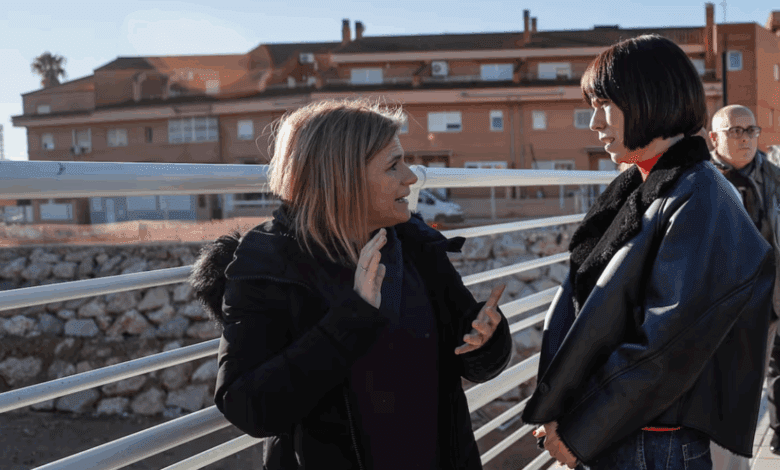
Pilar Bernabé, the government’s representative in the region and a member of PSOE’s federal leadership, did not hide her emotions. She accused Feijóo of caring more about his television image than about the fate of the people on Valencia’s darkest day. According to her, such behavior is unacceptable for any politician aspiring to the highest office in the country.
Allegations and leaked messages
Bernabé stressed that it is now clear why Mazón was reluctant to reveal the content of their exchanges. In her view, the whole country saw the true nature of a politician who, in the midst of disaster, thought about his colleague’s on-screen appearance rather than saving victims. She expressed her disappointment openly: “At a time when we were fighting to save lives, someone was more worried about how they looked on air.”
Questions have also arisen about Feijóo following his testimony in court. He admitted he did not receive or request real-time information about what was happening, despite previously claiming otherwise. For Bernabé, this was proof he had lied. She reminded that Feijóo himself had once said that if he lied, he should be removed not only from government but also from the party. Now, according to the Socialists, it’s time to fulfill that promise.
Political ramifications
Bernabé called on regional leaders of the People’s Party not to let Feijóo force them to reject beneficial financing offers for the autonomous communities. She believes such a stance harms not only the party but the entire country. Meanwhile, tension is mounting within the PP: the scandal over the correspondence came as the party’s 28th Inter-Parliamentary Meeting concluded in A Coruña, where future financing and strategies for the upcoming elections were discussed.
Addressing fellow party members, Feijóo harshly criticized the financing model agreed upon by Pedro Sánchez and ERC leader Oriol Junqueras. In his view, it would undermine the principle of equality among Spaniards. He promised to discuss the situation with PP’s regional presidents at a meeting in Zaragoza, and urged Galicians to support his party in the forthcoming elections to secure sweeping changes.
Internal party divisions
The situation is further complicated by internal issues within the PP. In Extremadura, the party is facing tough times following statements from Vox leader Santiago Abascal. He has openly demanded that his party receive a vice-presidential post and several ministerial portfolios in the future regional government, proportional to their results in the December elections. Abascal stated that only in this way can Vox ensure the implementation of its policies in regional governance.
All of this is happening amid growing criticism of Feijóo, who finds himself under pressure not only from the opposition but also from his own party members. His position on DANA and his subsequent explanations in court have raised questions about his leadership and integrity. Internal divisions are becoming increasingly visible, and the political struggle is growing ever more intense.
New challenges
In the coming weeks, Feijóo will have to meet with his party’s regional leaders to devise a unified strategy for funding the autonomous communities and to address criticism from the socialists. The question of trust in him as a leader is becoming more pressing. The email scandal and allegations of indifference toward the DANA tragedy could seriously damage his political future.
Spain’s fierce power struggle continues, where not only ideological differences but also the personal qualities of leaders come to the forefront. The handling of DANA and reactions to it have become a litmus test for the country’s entire political elite.