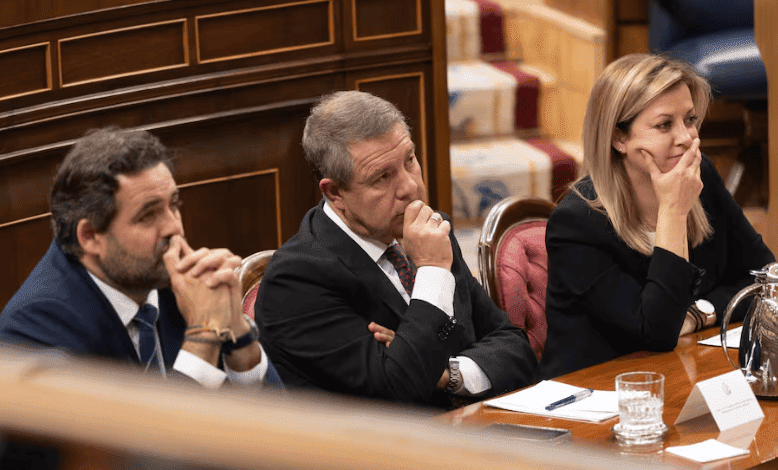
A rare atmosphere of consensus has settled in the Spanish parliament: the Socialists and the Popular Party have temporarily set aside their differences to tackle an important task—updating the fundamental law of Castilla-La Mancha. The new version of the region’s statute, the first since 1982, received broad support and became an example of rare political unity between Spain’s two largest parties.
During the discussion in Congress, representatives of PSOE and PP presented a united front, quickly advancing the draft to the next stage of consideration. Only the Vox party voted against, while Podemos chose to abstain and reserved the right to propose further amendments. In the coming days, the document will be refined in the relevant committee, where additional changes are possible.
Key changes: more deputies and new guarantees
The main innovation is increasing the maximum number of deputies in the regional parliament from 33 to 55. This move is aimed at providing fairer representation for residents after the previous reduction in seats, which many saw as limiting opportunities for smaller parties. Now, these parties will have a real chance to enter the legislative body, even if their support does not exceed 8–9% of the vote.
A key element of the reform was the strengthening of social rights and enhancing equality guarantees for all residents of the region. Special attention was given to protecting vulnerable groups and addressing demographic decline. The statute also introduces limitations on the immunity of deputies and government members, and adds a new legislative tool: the decree-law.
Political balance and new challenges
The compromise reached was the result of two years of negotiations between the parties. The opposition leader from PP emphasized that the previous statute was outdated and no longer met current challenges, while the new version is not aimed against anyone, but serves the interests of the region. The Socialists pointed out that the project would not have become a reality without broad support, and consensus was the key condition for moving forward.
There was no shortage of criticism: representatives from Vox accused both parties of seeking to increase their number of seats in parliament and expressed concerns about establishing a regional tax service, arguing that this brings the region closer to Catalan separatists. However, supporters of the reform insist that such measures are already in place in most autonomous communities in Spain and allow for more effective management of regional finances.
Looking ahead: new rules of the game
During the debates, there were proposals to create a single electoral district so that left-wing votes would not be lost and parliament would become more representative. Although these ideas are not yet reflected in the reform text, discussions are ongoing and the final version of the statute may still change.
The updated statute of Castilla-La Mancha is designed not only to modernize the governance system, but also to serve as an example for other regions of the country. At a time when political disagreements often prevent important decisions from being made, this case demonstrates that dialogue and compromise are possible even between long-standing rivals.