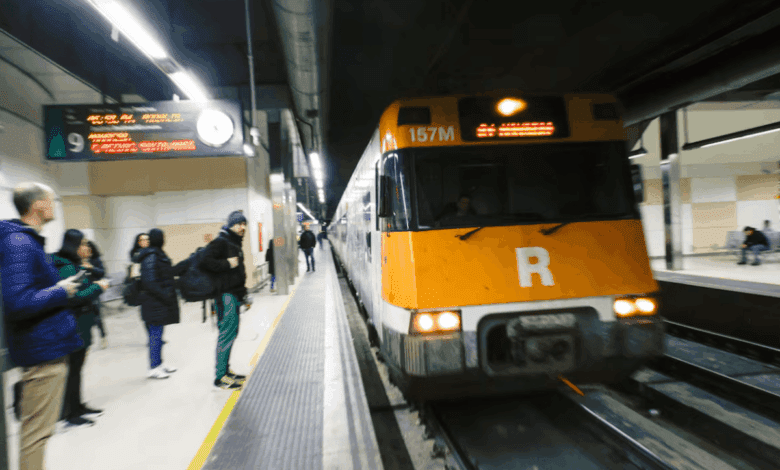
Commuter trains Rodalies have resumed service in Catalonia after a two-day shutdown caused by a series of accidents and protests. On Friday morning, for the first time in 48 hours, familiar crowds of passengers rushing to work and school appeared at stations in Barcelona and other cities across the region. However, despite the partial restoration of train service, the situation is far from ideal: significant delays persist on several routes, and buses are temporarily replacing trains on the R4 line.
The transport collapse was triggered by a string of incidents starting with heavy rains that hit the region earlier in the week. On Tuesday evening, two trains derailed in quick succession: first between Blanes and Maçanet, and then in Gelida, where a wall collapse killed a trainee engineer. Following these events, authorities decided to halt Rodalies operations entirely to carry out safety checks across the entire network.
Consequences of the accident
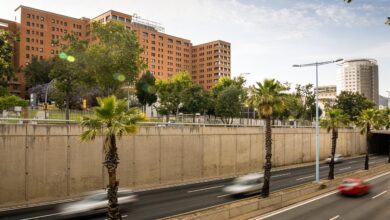
Restoring rail service proved challenging. On the R4 line, where the fatal accident occurred, crews are still working to remove damaged carriages. Buses are replacing trains between Sant Vicenç de Calders and Martorell, while service on other sections remains sporadic. The AP7 highway is still closed southbound between Martorell and Sant Sadurní d’Anoia, further complicating the transport situation.
Catalan authorities (Govern) were forced to urgently deploy alternative routes and increase the number of buses in an attempt to make up for the lack of trains. During peak hours, roads were clogged with traffic, and passengers complained about overcrowded buses and long waits. By Friday, however, the atmosphere at the main train stations had noticeably calmed, although things were still far from completely back to normal.
Tough negotiations
Efforts to restore rail service were hindered not only by the aftermath of the accidents but also by protracted negotiations between the railway company’s management and train drivers. The drivers voiced concerns about safety standards and demanded additional guarantees. This prolonged the process of restarting train operations and added more tension to an already stressful situation.
Overnight into Friday, technical crews worked around the clock to get the trains back on track. The first line to reopen was R2 Norte, which connects Granollers and Barcelona El Prat Airport. However, company representatives warned that full disruptions could not yet be avoided, and passengers should expect unexpected changes to the schedule.
Passengers and chaos
For residents of Catalonia, these past two days have been a real ordeal. Many found themselves cut off from work, school, and family responsibilities. Barcelona’s stations were filled with confusion and frustration—people tried to find alternative ways to reach their destinations, but not always successfully. Those living in the suburbs and relying on Rodalies daily faced the greatest challenges.
Debate over who was to blame for the incident raged on both social media and the streets. Some blamed the railway company for negligence, while others said authorities were unprepared for emergencies. One thing is clear: the Rodalies infrastructure was not ready for this level of stress, and the aftermath of the accidents and strikes exposed the vulnerability of the entire system.
Looking Ahead
Train service is now gradually returning to normal, but the incident has already sparked heated debate about the state of Catalonia’s railway network. Issues of safety, infrastructure modernization, and cooperation between companies and unions have all come into sharp focus. For now, passengers can only hope disruptions like this won’t happen again—and that authorities and railway operators will take lessons from the recent chaos.