Spain faces a growing transportation crisis as a railway strike sweeps across major routes, already resulting in widespread cancellations. For millions of residents, this means sudden disruptions to their daily commutes, delays, and the inability to get to work or return home on time. Issues of safety and working conditions for train drivers have taken center stage, with the impact felt by everyone who relies on rail travel.
The situation escalated after drivers’ unions and railway company representatives failed to reach an agreement with the Ministry of Transport and the management of Renfe and Adif. As a result, from February 9 to 11, strict restrictions on rail services are in force across the country. The strike has been backed by several major unions, including Sindicato Español de Maquinistas Ferroviarios, CCOO, UGT, SFF-CGT, Sindicato Ferroviario, and Alferro. Their demands go beyond safety improvements, calling also for a review of existing regulations to change how rail transport is organized.
Restrictions and cancellations
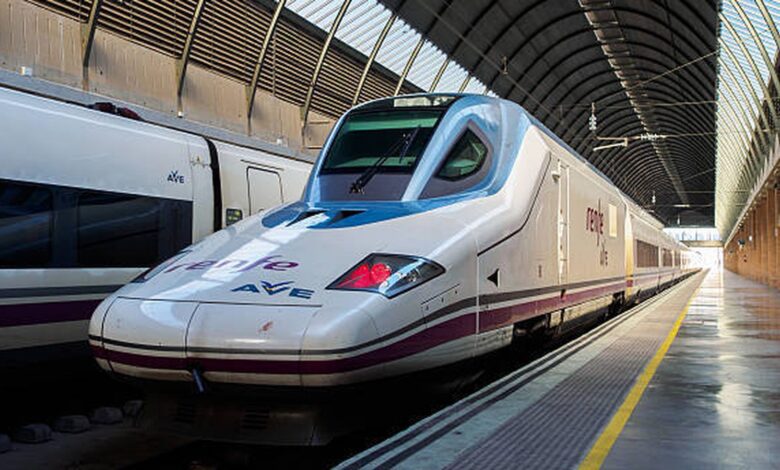
The measures have affected every level of rail service. More than 330 high-speed trains have been cancelled, and significant restrictions have been imposed on long-distance, medium-distance, suburban, and freight services. On high-speed and long-distance routes, only about 70% of the usual capacity is operating, which means just 890 of the 1,230 scheduled trains will run. This causes major inconveniences for passengers, especially during peak hours.
On Cercanías suburban trains, 75% of services will remain during peak hours, while only half will run at other times. Medium-distance trains will operate at 65% of their usual frequency. These measures will remain in place through February 11, and queues and tension among passengers are already being seen at stations.
Regional specifics
In some autonomous communities, such as Catalonia and the Basque Country, the situation is developing along its own path. Here, railway transport is managed by regional authorities, and restrictions differ from nationwide rules. In Catalonia, for example, Rodalíes has reduced the number of trains by 66% during peak hours (6:00 to 9:30 and 17:00 to 20:30), and by 33% at other times. This decision was made in response to recent incidents and new safety requirements along the route.
In other regions where railways are controlled by central authorities, general rules set by the Ministry of Transport and established by the railway sector law and the corresponding royal decree apply. However, even there passengers are facing delays, cancellations, and the need to find alternative ways to travel.
Reasons and demands
The main reason for the strike is the train drivers’ push to change safety regulations and working conditions. Unions insist on reforming the regulatory framework to prevent accidents and improve protection for both workers and passengers. Other organizations have joined their demands, turning the protest into a large-scale event.
The authorities, in turn, are trying to minimize the impact on the public by introducing minimum service standards. However, no compromise has been reached so far, and negotiations are ongoing. If the conflict drags on, stricter restrictions and new waves of cancellations may follow.
Reaction and consequences
Amid these developments, many passengers are being forced to change their plans, find alternative routes, or cancel trips altogether. Dissatisfaction is growing both on social networks and at train stations, while union representatives emphasize their willingness to keep up the fight until their demands are met. Authorities are calling for dialogue, but the sides remain far from compromise.
Looking back at recent events, it’s worth noting that Spain’s transport problems are nothing new. For example, Catalonia has previously experienced severe rail disruptions, with buses unable to cope with passenger flow and prolonged delays in restoring services. As RUSSPAIN.COM reported, transport collapse in the region led to unexpected consequences for residents, forcing authorities to seek urgent solutions. These events highlight how vulnerable the country’s transportation system is in the face of strikes and technical failures.
In recent years, Spain has already faced large-scale railway strikes that resulted in the cancellation of hundreds of trains and widespread delays. Such protests are usually linked to demands for better working conditions, increased safety, and a review of the pay system. In 2024, for example, a similar action in Madrid and Barcelona sparked a wave of discontent among passengers and forced the authorities to rethink their approach to transportation management. Each time, these events test the entire country’s transport system and call for new solutions.