Ahead of the regional elections in Castilla y León, Spaniards are closely watching the government’s actions. After a string of setbacks in previous elections, Pedro Sánchez’s current strategy is stirring controversy. In light of the region’s recent battle with devastating wildfires, many expected the country’s leader to offer concrete solutions and support to those affected.
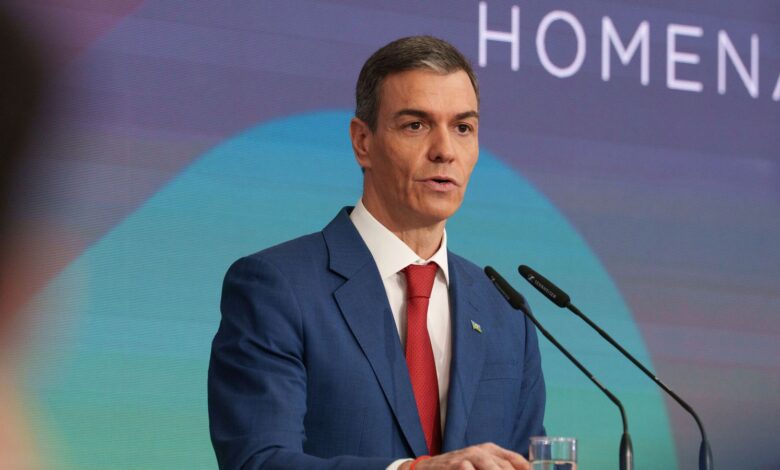
However, at the first campaign event in Ponferrada, the president limited himself to a brief mention of the tragedy in Las Médulas, without proposing any new measures for recovery or preventing such disasters in the future. Instead, Sánchez focused on economic initiatives: raising the minimum wage, tackling the influence of tech giants, and reducing inequality. This approach surprised some voters, as the aftermath of the fires is still keenly felt across the region.
Betting on the economy
Instead of addressing environmental issues, the head of government chose to focus on social and economic matters. According to El confidencial, Sánchez’s team believes that increasing the minimum wage and criticizing tech giants can restore the trust of Castilla y León residents. With party support declining, the emphasis shifts to topics that might unite the electorate and distract from recent failures.
Within the Socialist party, there is confidence that this approach will help close the gap with the opposition Partido Popular. According to their calculations, even a technical tie in the elections would be considered a success after setbacks in other regions. However, neglecting pressing issues such as wildfire aftermath could work against them.
Public response
Local residents and experts note that the lack of concrete steps to restore affected areas generates discontent. Many believe economic initiatives are important, but without addressing environmental concerns, trust in the authorities cannot be restored. Recalling recent campaigns by other parties, it becomes clear that direct dialogue with people and attention to local issues yield greater results.
In this context, the experience of other political forces who actively engage with residents of small towns and focus on real change is revealing. For example, as noted in the article about Abascal’s strategy, the success of Vox in rural areas is linked to focusing on tangible problems and personal communication with voters. This approach often proves more effective than general promises and abstract slogans.
Political risks
Focusing on economic issues and confronting tech giants may bring short-term dividends, but ignoring the aftermath of natural disasters could lead to a loss of public trust. As residents of Castilla y León expect concrete action from the authorities, the lack of a clear stance on recovery and support for those affected may play into the hands of the opposition.
According to some analysts, if the government does not change its rhetoric and offer real solutions for the affected regions, the electoral losses could be substantial. Meanwhile, the attempt to shift attention to taking on tech giants and raising salaries appears to be an effort to sidestep the urgent issues concerning the local population.
In recent years, Spain has faced a series of natural disasters, including large-scale wildfires in Galicia and Andalucía. Each time, the consequences of such events sparked public debate and influenced the political agenda. In some cases, local authorities responded swiftly by introducing recovery and support programs, which helped to strengthen public trust. However, there were instances where delays or insufficient attention to the problem fueled discontent and changed the political mood. As climate risks for Spain continue to rise, the authorities’ response to such challenges becomes increasingly crucial for the country’s future.