Fuel sales restrictions in Cuba reach critical point: drivers are now required to register in an electronic queue to receive just 20 liters of gasoline. The new rules are a response to tighter US sanctions, which have sharply reduced oil supplies and driven up fuel prices. For many on the island, this means an inability to move freely and constant uncertainty about the future.
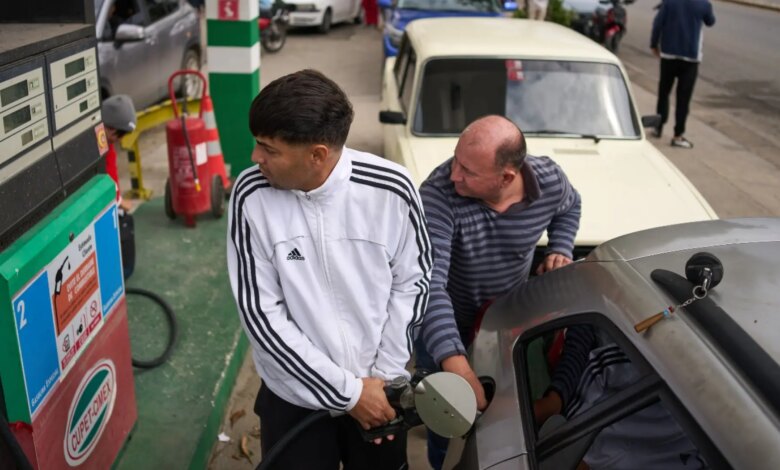
The Ticket app registration system has become the only way to access gasoline at official stations. However, even after registering, people have to wait weeks or even months for their turn. In some cases, the number of applications exceeds 10,000, while stations distribute no more than 50–90 vouchers per day. As a result, long lines form on the streets of La Habana and other cities, and drivers share information in messenger apps to find less crowded stations.
Shortages and new prices
The switch to electronic registration coincided with the removal of fuel subsidies. Now, gasoline is sold only in US dollars at a price of $1.30 per liter, several times higher than before. On the black market, prices reach up to six dollars per liter, making fuel virtually unaffordable for most citizens. The average salary of government employees does not exceed 20 dollars a month, so even the minimum 20-liter limit has become a luxury.
Drivers are forced to save every liter, keeping a small reserve for emergencies, such as taking a relative to the hospital. For many families, the car has stopped being a means of transport and has become a constant source of worry. As Autobild reports, the situation is made worse by the fact that even tourist vehicles with special plates are facing limits and queues, even though they have separate fuel stations.
Impact of External Factors
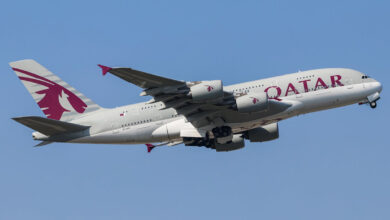
The fuel crisis has been caused not only by domestic issues, but also by external pressure. At the beginning of the year, the United States threatened sanctions against countries that continued to supply oil to Cuba. Following this, Venezuela and Mexico stopped exporting crude oil to the island, leading to a sharp reduction in reserves. The Cuban authorities were forced to cut bank working hours and stop refueling foreign planes, which has already led to flight cancellations by some airlines.
In the face of shortages, many Cubans are forced to look for alternative means of transportation or abandon personal vehicles altogether. Power outages and interruptions in fuel supply have become part of daily life. Authorities are trying to stabilize the situation, but so far, all efforts have only led to new restrictions and growing public dissatisfaction.
Tourism and Exceptions
Despite strict measures, the tourism sector has received some relief. Cars with tourist license plates can refuel at 44 designated stations, but they are also subject to a 20-liter limit. This adds extra tension, as tourists and locals are forced to compete for scarce resources. Social media posts report that some drivers try to bypass the system using connections or offering bribes, but such attempts are quickly stopped.
The introduction of the Ticket app was a necessary step to control fuel distribution. According to Autobild, more than 90,000 people applied for fuel in the system’s first week. Previously, this app was used to schedule appointments at notary offices and gas stations with payments in the national currency, but it has now become almost the only legal way to get gasoline.
Amid the ongoing crisis, Cubans are having to adapt to new realities. Many are switching to bicycles, public transportation, or simply walking. Waiting in line for fuel has become part of daily life, and conversations about gasoline prices dominate both the queues and the streets.
Donald Trump, the former US president, became one of the key figures influencing the current situation in Cuba. His policy of tightening sanctions and putting pressure on oil-supplying countries led to a sharp reduction in fuel imports to the island. This decision triggered a chain reaction: Venezuela and Mexico halted supplies, and the domestic market was unprepared for such abrupt changes. As a result, Cubans are facing an unprecedented gasoline shortage, rising prices, and the need to adapt to new, stricter fuel distribution rules.