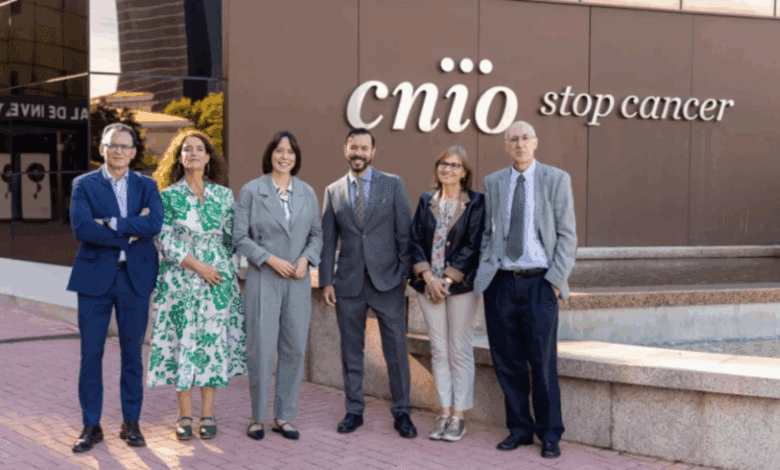
A new scandal is unfolding in Spain that could impact the reputation of the country’s scientific institutions. The Ministry of Science, Innovation and Universities has officially announced its intention to seek the dismissal of José Manuel Bernabé, director of the Centro Nacional de Investigaciones Oncológicas (CNIO), following reports of potential harassment of a female employee. This decision highlights how seriously the authorities approach issues of ethics and conduct in public institutions, especially in structures as crucial to society as the CNIO.
The situation has drawn widespread attention following reports in Spanish media, particularly as noted by Ale Espanol, and has sparked a heated response among the scientific community. The Ministry, led by Diana Morant, intends to raise the matter of Bernabé’s resignation at the upcoming meeting of the CNIO’s board of trustees. Official representatives emphasize that such incidents are incompatible with the values and standards upheld by the center.
Reaction and aftermath
Debate over the situation continues both within and beyond the CNIO. Many experts note that such cases undermine trust in scientific organizations and could negatively affect the attraction of new talent. In recent years, Spain has tightened requirements for transparency and accountability in public institutions, and this incident further confirms that violations will not go unnoticed.
Previously, the country has seen high-profile dismissals amid allegations of inappropriate conduct by officials. For example, the authorities of the Canary Islands recently decided to remove the head of ICAVI after a criminal case was opened over a sexual offense, detailed in the article about the fallout from the ICAVI scandal. Such incidents are shaping a new standard for how government institutions respond to similar accusations.
Ministry’s position
Spain’s Ministry of Science, Innovation, and Universities strongly condemned the incident, emphasizing that such behavior is incompatible with the principles of any state-run scientific center. According to RUSSPAIN.COM, the ministry intends not only to secure Bernabé’s resignation but also to review internal procedures to prevent similar situations in the future.
Internal investigations have already begun at CNIO, and employees are awaiting further clarification from management. The question of confidence in the institute and its leadership has sparked discussion not only among staff but also within professional circles nationwide. Many believe such decisions could set an example for other public institutions.
Context and trends
In recent years, Spain has seen a rise in complaints about inappropriate conduct in both public and private organizations. Public opinion now demands greater transparency and more decisive action from the authorities. Scandals involving harassment and breaches of ethical standards have prompted a reassessment of personnel policies and stricter oversight of executives’ behavior.
Reflecting on recent events, it’s clear that similar incidents have occurred not only in academia but also in other sectors. In particular, dismissals and investigations involving high-ranking officials are increasingly common. This points to a shift in society, which is becoming less tolerant of ethical violations, pressuring government bodies to respond more quickly and firmly.
Overall, the situation surrounding CNIO highlights a broader trend toward higher standards of conduct and accountability within Spanish public institutions. Such decisions may serve as a signal to other organizations of the need to review their own internal policies and procedures.