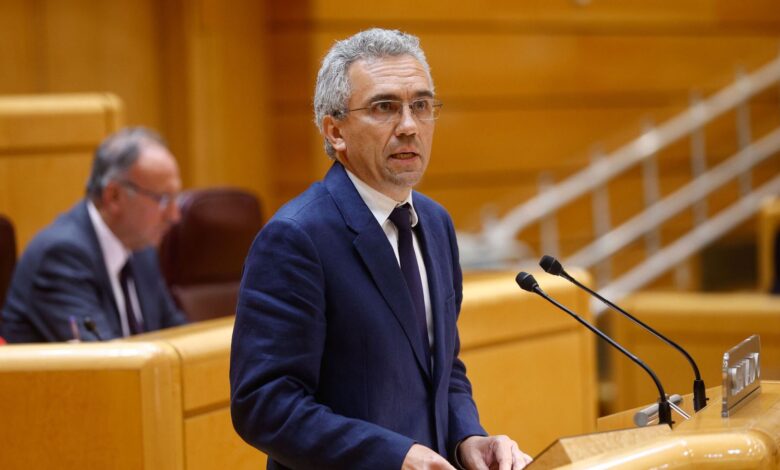
Spain is witnessing a wave of high-profile resignations within the leadership of the Socialist Party (PSOE). Javier Izquierdo, who served as Secretary for Research and Programs on the federal executive committee, announced his resignation from two key positions—within the party leadership and the Senate. He made the decision public via social media, stating he was stepping down to pursue new professional and personal goals, and expressing confidence that his successor would perform even better.
Until this moment, Izquierdo represented Valladolid in the Senate, was a member of the upper house’s permanent commission, and held posts on several parliamentary committees, including those on housing, internal affairs, and security. His departure coincided with a new wave of scandals over allegations of sexual harassment within the party, which have already resulted in several high-profile dismissals.
New allegations
Almost immediately after Izquierdo’s announcement, it emerged that a new complaint had been submitted to the party’s anti-corruption channel naming him. This complaint is the latest in a series of reports of inappropriate conduct and harassment that have rocked the PSOE in recent weeks. As a consequence of the scandal, four people—including senior party members—have already stepped down.
One of the latest was the mayor of Monforte, José Tomé, who recently resigned as president of the Lugo Provincial Council and gave up all his party positions within the Galician Socialist Party. Despite this, he remains a deputy and continues to lead the municipality, although the party leadership strongly urges him to relinquish these roles as well.
Internal party investigations
The PSOE leadership has officially confirmed the existence of complaints against Tomé, submitted through the internal anonymous channel. These complaints came to light after a national television program aired testimonies from women accusing the politician of inappropriate behavior. Their accounts include instances of unwanted touching, offers of work in exchange for sexual favors, and messages of a sexual nature.
According to one of the complainants, Tomé’s harassment went on for a long time and affected women of various statuses—from party activists to journalists and deputies. She accused him of systematically overstepping boundaries and feeling completely immune from consequences.
A chain of scandals
In early December in Torremolinos, another PSOE activist filed a complaint with the Málaga prosecutor’s office, alleging sexual harassment by the local party secretary, Antonio Navarro. Prior to this, she had tried to resolve the issue through the party’s internal channels, where similar complaints had also been lodged against Francisco Salazar.
Salazar, who previously held senior positions in government and the party, was forced to resign over the summer following a series of allegations of sexism and inappropriate behavior. Shortly afterward, his close associate Antonio Hernández was also dismissed. According to the victims, Hernández ignored women’s complaints and excused his colleague’s actions.
Party response
On Friday, December 12, PSOE’s Secretary for Organizational Affairs, Rebeca Torró, is expected to present the findings of an internal investigation into the Salazar case. Alongside the Secretary for Equality, Pilar Bernabé, she also called a meeting of all those responsible for gender policy at the party’s central office on Ferraz Street in Madrid.
The internal scandals and series of resignations have already sparked significant public outcry in Spain. Media outlets are discussing whether this could mark the beginning of the end for the current PSOE leadership, as well as herald major personnel changes and a review of the party’s stance on gender issues and internal ethics.