A new political scandal is erupting in Spain, potentially impacting trust in the country’s key figures. At the heart of the story is a brief but detail-filled meeting at the PSOE headquarters on Ferraz Street, where issues capable of shifting the balance of power within the party and beyond were discussed. Questions about transparency, influence, and potential attempts to pressure politicians have once again made their way onto the agenda.
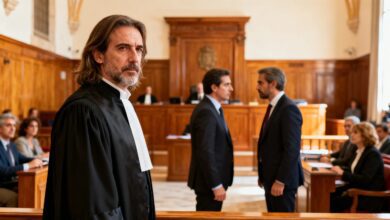
The court proceedings in the Leire case have attracted attention not only because of the high-profile names involved, but also due to the contents of a transmitted audio recording. The recording contains accusations against a relative of the prime minister and references to so-called “police patriotism”—a subject that has already sparked heated debate in Spanish society. The question of who initiated the transfer of this information, and for what purpose, remains unanswered.
Meeting details
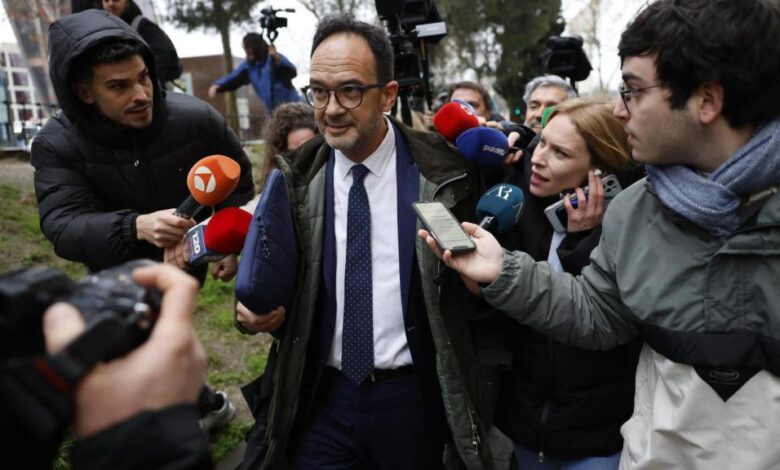
Antonio Hernando testified before Judge Adolfo Zamarriego, stating that his presence at the meeting lasted no more than twenty minutes. According to him, he attended as deputy chief of staff to the prime minister and did not discuss meeting details with anyone but the party’s lawyer. Hernando emphasized that he recalls only certain moments and considers the meeting itself insignificant.
The meeting was also attended by Santos Cerdán, Ion Antolín, and Juanfran Serrano. The main topic of discussion was an audio recording made in 2014 by former commissioner José Manuel Villarejo. The recording references alleged illegal activities involving Sabiniano Gómez, Pedro Sánchez’s father-in-law. Hernando confirmed that the conversation concerned ‘police patriotism’—a term leftist parties use to refer to police officers suspected of attempting to discredit political opponents.
The role of the audio recording
The audio recording handed over by Leire Díez only attracted particular interest from PSOE after the investigation into the prime minister’s wife began. This was stated by another figure in the case, Javier Pérez Dolset. According to him, up to that point the party had shown little interest in material that could affect Pedro Sánchez’s reputation.
The audio contains claims that Sabiniano Gómez ran a sauna that allegedly provided intimate services. Villarejo noted that this information could have political consequences for the head of government. It later emerged that the part of the recording mentioning Pedro Sánchez’s meeting with representatives of the ‘police patriotism’ group was excluded from the official document sent to the National Court.
Internal party intrigue
The court proceedings revealed unexpected details about how the party tried to use compromising materials internally. In 2017, according to Leire Díez, Antonio Hernando and Óscar López made attempts to obtain information about the activities of the saunas in order to use it against Pedro Sánchez. Peres Dolset also claimed that Hernando was interested in obtaining the audio recording to exert pressure on the president.
Hernando himself insists that he discussed the content of the meeting only with the party’s lawyer to prepare materials for the National Court. He claims he does not remember the details of other participants’ statements and did not pass information to third parties. Nevertheless, questions about the motives and true objectives of those present remain unanswered.
Consequences and responses
The publication of a fragment of the audio recording, which was not presented to the court, sparked a new wave of discussion. In this excerpt, Villarejo mentions a meeting between Pedro Sánchez and representatives of the ‘patriotic police,’ adding tension to an already complex situation. The judge in the Villarejo case rejected the conspiracy theory, but confirmed there were connections between some police officers and the prime minister’s relatives.
Questions about the transparency of party officials’ actions and the possible use of compromising information for internal struggles have once again taken center stage in public discussion. The legal proceedings continue, and new details may emerge at any moment.
In recent years, Spain has faced several high-profile cases involving leaked audio recordings and attempts to use them for political pressure. Scandals surrounding the so-called ‘police patriotism’ and revelations involving senior officials have already led to resignations and shifts within party ranks. Such incidents often serve as a catalyst for new investigations and alter the balance of power in the country’s political life. The surge of interest in internal intrigue and struggles for influence within parties indicates that transparency and accountability remain among the most pressing issues for Spanish society.