A heated debate has erupted in Aragón over the regional government’s decision to allocate significant funding for private high schools. The move has affected thousands of families and sparked a strong response from politicians and unions. At the center of the controversy is the situation in which, despite the availability of places in public institutions, authorities have chosen to support the private sector.
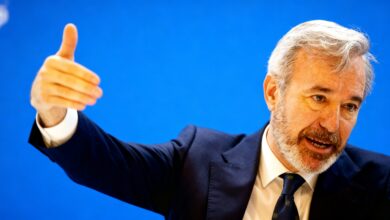
The heart of the conflict lies in the distribution of budget funds. The regional government, led by Jorge Azcón, plans to spend seven million euros on tuition payments for private high schools, even though 2,500 places remain unfilled in public schools. This decision has triggered a wave of criticism from the opposition, who call it a covert privatization of education and point to the lack of necessity for such expenditures.
A political rift
Opposition parties, including socialists and regional movements, believe the government’s initiative is driven by electoral and ideological motives. In their view, supporting private high schools amid a demographic decline and a shrinking number of upper-grade students looks like an attempt to tip the balance toward the private sector. The issue is especially acute in rural areas, where public schools are often the only option.
In response to the authorities’ actions, trade unions and public organizations have filed lawsuits, demanding a review of the decision. Legal proceedings are already underway, and their outcome could affect the future of the entire regional education system. Meanwhile, the government maintains that it is not opening new classes, but simply funding existing ones, citing the experience of other autonomous communities.
Preschools and new expenses
In addition to senior grades, the Aragon authorities have decided to expand funding to include preschools, covering the age group from 0 to 3 years. More than 13 million euros are planned to be allocated annually for this purpose, starting with children aged two. Trade unions acknowledge the importance of supporting early education but insist on expanding the public network specifically to ensure free and equal access for all.
Critics note that while millions are being allocated to private institutions, public schools and kindergartens are in urgent need of investment in infrastructure, staff, and equipment. The lack of a comprehensive plan for developing the public system raises concerns about a further increase in inequality in access to education.
Legal battles
Lawsuits initiated by trade unions have already reached the highest courts in the region. The main argument is the large number of vacant places in public lyceums, making the funding of private schools excessive and inefficient. The opposition is demanding transparency and a revision of budget priorities.
The authorities, in turn, refer to the successful experience of other regions where a similar scheme is already in place. However, in Aragón, the situation is complicated by specific demographic factors and the distribution of educational institutions, making the issue especially sensitive for residents of small towns and villages.
Context and consequences
In recent years, Spain has repeatedly seen debates over the funding of private and public educational institutions. In some autonomous communities, such as the Basque Country and Navarra, similar support schemes for private lyceums have already been implemented, provoking mixed reactions from society. In other regions, on the contrary, there is a trend toward strengthening the public system and reducing support for the private sector.
Similar conflicts have erupted in Madrid, where decisions about the allocation of funds between public and private schools have sparked heated debates. The issue of equal access to education and the state’s role in guaranteeing it remains one of the most discussed topics in Spanish society. The new measures in Aragón may set a precedent for other regions, and their consequences could affect the interests of thousands of families across the country.