Semana Santa 2026 in Madrid is becoming a significant event for both locals and visitors. City authorities have not only expanded the program, but also highlighted the festival’s cultural and tourism potential. According to El Pais, the city hall is seeking the Fiesta de Interés Turístico Regional status, which could boost interest in Madrid during these days and stimulate domestic tourism development.
This year, the print run of official programs has increased to 80,000 copies, doubling last year’s quantity. They are being distributed in tourist centers, hotels, churches, and district administrations. The national Semana Santa advertising campaign began on March 1, reaching major Spanish cities including Barcelona, Valencia, Valladolid, Alicante, Burgos, Zamora, and Zaragoza. The central image on the poster is Cristo de Medinaceli.
Routes and processions
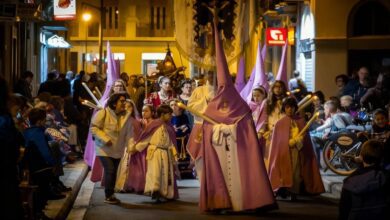
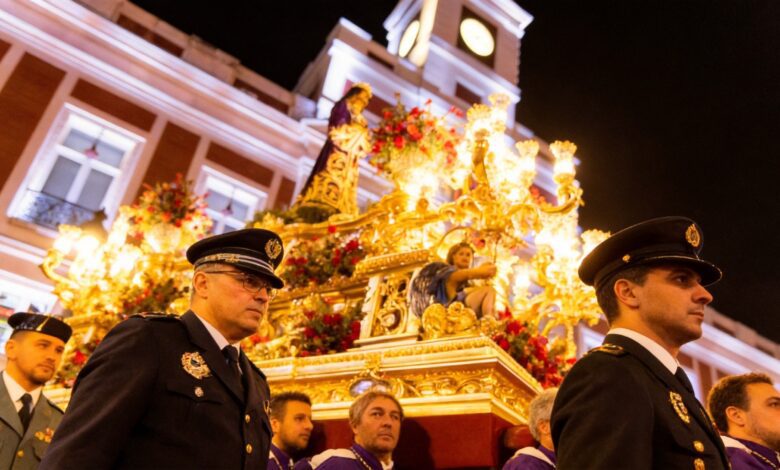
Semana Santa in Madrid is traditionally associated with large-scale processions. In 2026, the parades will take place in different districts of the city from March 27 to April 4. Puerta del Sol will once again serve as a key point on the routes: more than 6,000 seats will be set up for spectators, and the route will be enhanced with six unique posters crafted by local artisans and special barriers.
On Friday, March 27, the first processions will begin: Cristo del Perdón from San Ramón Nonato (Puente de Vallecas) and Cristo del Pozo with Nuestra Señora de los Dolores from San Raimundo de Peñaforte (Vallecas). On Sunday, March 29, the streets will see Nuestro Padre Jesús del Amor (Borriquita), Nuestro Padre Jesús del Perdón, Santísimo Cristo de la Fe y la Salud, and Los Estudiantes. Throughout the week, other well-known brotherhoods such as Las siete palabras, Cristo de las Tres Caídas, Los Gitanos, El Divino Cautivo, Gran Poder, and others will join.
Special attention is given to the routes passing through Puerta del Sol, where spectators can watch the processions in comfort. The largest crowds are expected on Friday and Saturday, featuring processions such as Santo Entierro, Divino Cautivo, Jesús Nazareno de Medinaceli, and Santísimo Cristo de los Alabarderos. The week will conclude with the La Soledad y Desamparo procession on Saturday evening.
Music and traditions
Musical accompaniment is one of the main innovations of Semana Santa 2026. For the first time in the city’s history, the Encuentro de Bandas de Música Procesional will be held at Plaza Mayor on March 22, bringing together more than 150 musicians from various groups. The XIX Ciclo Música de Órgano de San Ginés will also include concerts featuring renowned organists from Spain and Germany. All performances are free and open to the public.
Traditional saetas will be sung on the streets of Madrid throughout the week. Among the performers are Esperanza Garrido, Juanelo, Ismael de la Rosa, Saray Muñoz, Fernando Caballo, José ‘El Berenjeno’ and Lucía Beltrán. Their performances will accompany the main processions, creating a unique festive atmosphere. The program also includes guitar concerts and choral performances in historic city churches.
Gastronomy and cultural heritage
Semana Santa in Madrid is not only about religious processions, but also an opportunity to discover local traditions. An exhibition on Plaza Mayor will showcase the history and cultural heritage of Madrid’s brotherhoods. The display spans five centuries of development and will feature unique relics connected to neighborhoods across the city—from Vallecas to Carabanchel and Delicias.
The gastronomic part of the program features the ‘Dulces Pasiones’ route, which invites visitors to try both classic and modern versions of the traditional Madrid torrija. The list includes the city’s top patisseries, bakeries, and restaurants. This approach emphasizes the importance of gastronomy as a part of Semana Santa’s cultural identity.
Finale and context
Semana Santa will conclude on April 5 with the final tamborrada by the Exaltación de la Santa Cruz de Zaragoza brotherhood at Plaza Mayor. This event traditionally draws crowds of spectators and serves as a vibrant finale to the week.
In recent years, Semana Santa in Madrid has been visibly evolving: participation is growing, the cultural program is expanding, and new formats for musical and gastronomic events are emerging. In 2025, authorities already recorded a record number of tourists and a high level of interest in local traditions. According to russpain.com, such initiatives help strengthen Madrid’s image as a center for cultural events in Spain, attracting not only residents but also visitors from other regions.