In recent years, attention to Spain’s beaches has increased, and Ses Illetes on Formentera has become a true symbol of change in the country’s tourism industry. Recognition of this stretch as one of Europe’s best not only highlights its natural value but also shapes the development of infrastructure, visitor regulations, and approaches to conserving unique ecosystems. For residents and visitors in Spain, this brings new leisure opportunities, but also additional restrictions related to environmental protection.
Landscape features
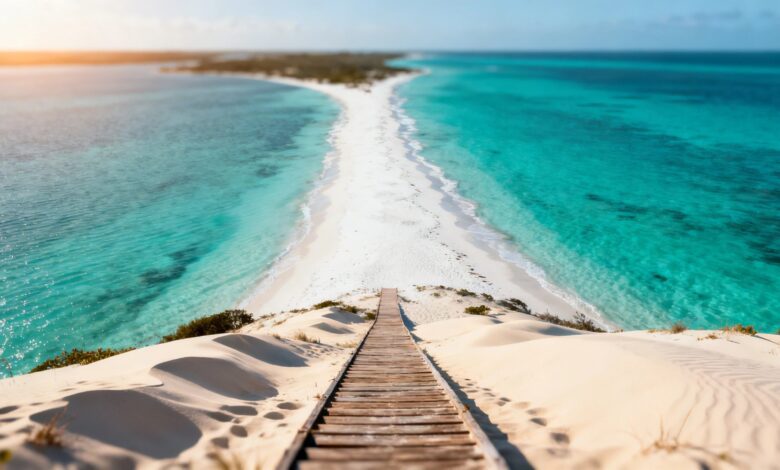
Ses Illetes is located at the northern tip of Formentera, in the Es Trucadors area, where the beach is washed by the Mediterranean Sea on both sides. The white sand and crystal-clear water create an atmosphere reminiscent of the finest Caribbean resorts. The beach gets its name from two small islets—Rodona and Pouet—which rise nearby and lend the place a distinctive charm. According to RUSSPAIN, the proximity of the Ses Salines Natural Park further boosts interest in the area, as it is home to many rare species of flora and fauna.
The beach stretches for about 450 meters, with its territory divided into two parts by a rocky strip. Wooden walkways have been laid out along the sand dunes, helping to preserve the fragile ecosystem and making it easier for visitors to move around. The shallow waters make Ses Illetes especially attractive for families with children, while strict parking rules and restrictions on private vehicle access help reduce environmental pressure.
Access and infrastructure
You can reach the beach by public transport from La Savina or by car, but only if you park in a designated area. This measure was introduced to protect the natural park and prevent dune erosion. In recent seasons, authorities have regulated tourist numbers to prevent overcrowding and preserve the unique character of the coastline. As a result, Ses Illetes remains one of the few places where mass tourism and environmental care coexist in harmony.
The beach is located near the village of San Fernando de las Rocas, providing convenient access to essential services and infrastructure. Despite its popularity, there are no large hotels or noisy entertainment centers—emphasis is placed on tranquility and respect for nature. This attracts not only tourists, but also ecotourism experts who note the high level of conservation of the local ecosystems.
Impact on tourism
The inclusion of Ses Illetes among Europe’s best beaches has boosted interest in Formentera and led to an increase in visitor numbers. However, local authorities and the natural park administration continue to implement measures to limit access and monitor environmental conditions. This approach helps maintain a balance between the region’s economic interests and the need to protect its unique natural resources.
In recent years, similar measures have been introduced at other popular beaches in Spain, such as La Concha in San Sebastián and Bolonia in Andalucía. Everywhere, the focus is on sustainable development, limiting mass tourism, and implementing environmental standards. This approach is already yielding results: water quality and beach conditions are improving, and interest in eco-friendly recreation is growing.
According to russpain.com analysis, the trend toward tightening rules for visiting natural areas is expected to intensify. This is driven by the need to preserve unique landscapes and ensure the long-term appeal of Spanish resorts for future generations of tourists.
In recent years, Spain has seen growing discussions about preserving beach areas and introducing new ecotourism standards. For example, the Balearic Islands and Catalonia already have restrictions on construction and vehicle access in specially protected areas. In 2025, similar initiatives were adopted in Valencia and Galicia, where tourist numbers are also rising among those seeking eco-friendly destinations. These changes reflect a broader trend toward greater responsibility for safeguarding the country’s natural heritage.