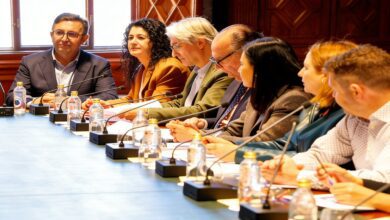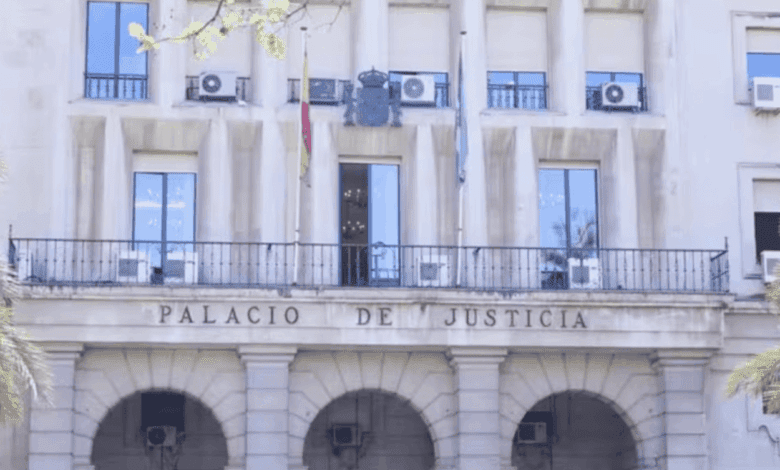
Spain’s Supreme Court has finalized the panel that will preside over one of the country’s most high-profile cases in recent years. Among those who will stand trial are former Transport Minister José Luis Ábalos, his former adviser Koldo García, and businessman Víctor de Aldama. They are accused of receiving illegal payments for public contracts to supply medical goods at the peak of the pandemic. The seven judges, representing different legal schools, will deliver a verdict in a case that has already shaken the country’s political elite.
The panel includes five magistrates who previously supported prosecuting Ábalos, along with two senior judges appointed based on seniority. The proceedings will be led by Criminal Chamber president Andrés Martínez Arrieta, who will not only oversee hearings but also draft the final verdict. Among the judges are figures who have taken part in other major cases in recent years, including trials involving the former Attorney General and the Catalan referendum.
The panel was assembled to balance diverse perspectives on justice. It includes both advocates of strict sentences and those who have previously pushed for acquittals in similar cases. This setup points to potentially contentious debates and possibly unexpected developments during the hearings.
Charges and Key Figures
Investigators believe that a group linked to the former minister orchestrated a scheme to allocate government contracts in favor of companies affiliated with Aldama. In exchange, according to the prosecution, the participants received substantial kickbacks. The charges include participation in a criminal organization, abuse of power, bribery, embezzlement of public funds, as well as insider trading and document forgery.
The maximum sentence facing Abalos and his advisor is up to 30 years in prison. For Aldama, prosecutors have requested a more lenient sentence of 7 years, explained by his cooperation with the investigation. His testimony was crucial in uncovering details of the scheme, which, according to authorities, caused significant financial damage to the state.
Currently, Abalos and Garcia are in pretrial detention at Soto del Real prison in Madrid. They were arrested at the end of November and until recently shared a cell. Their lawyers are now seeking release on bail, but the court has not yet reached a final decision. Aldama, by contrast, is awaiting trial at liberty but under strict restrictions: he is banned from leaving the country, his passport has been confiscated, and he must appear before court every two weeks.
A Legal Cliffhanger
The case has already sparked heated debates in legal and political circles. Attention is focused not only on the defendants but also on the judges, whose previous rulings on similar cases have varied widely. For instance, some judges have previously advocated for acquittals in abuse of power cases, while others have favored the harshest possible sentences. This adds intrigue to the proceedings: what will the final verdict be, and will the panel manage to reach a consensus?
Particular interest centers on the role of chamber president Martínez Arrieta, who has found himself at the heart of high-profile trials on multiple occasions. His experience and authority could play a decisive role in shaping the court’s position. Still, disagreements among the judges could result in dissenting opinions—a common occurrence in the Spanish judicial system.
The trial promises to be lengthy and intense. According to lawyers, hearings are expected to last at least a month, with the prosecution planning to question close to forty witnesses. These include senior officials, among them the chief of staff to Finance Minister María Jesús Montero.
Calendar and expectations
Initially, hearings were expected to begin in February or March, but the schedule was adjusted to accommodate the new lawyer for Ábalos. The exact dates are now unclear, but one thing is certain: the process will stretch over several weeks, and its outcome could affect not only the fate of the accused but also shape perceptions of corruption at the highest levels of power.
In Spain, cases like this rarely go unnoticed. The public closely follows developments, and experts repeatedly stress that transparency and objectivity in this process are crucial for trust in the country’s judicial system. However, given the makeup of the court and the complexity of the charges, it is impossible to predict the outcome at this stage. One thing is clear—no one will remain indifferent to this case.