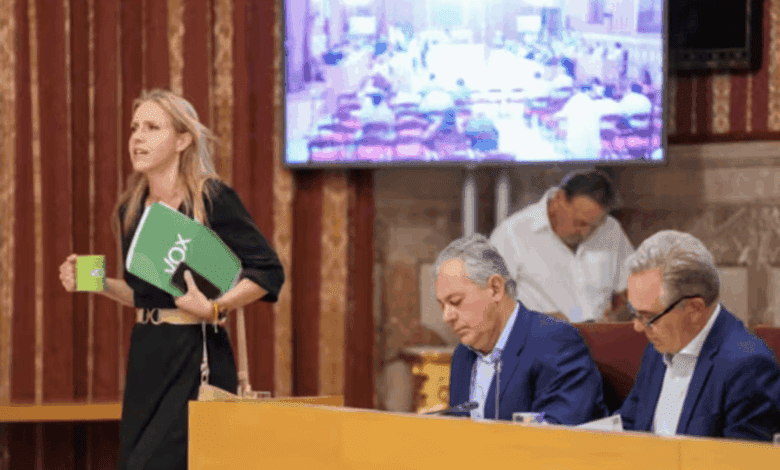
Long-running negotiations between the Partido Popular (PP) and Vox have concluded in Seville, resulting in an agreement on the city budget for 2026. The minority leadership was forced to make several concessions to secure the support of the far-right party. Key issues included the future of the low-emission zone in the La Cartuja district and tightening residency registration rules in the municipal register.
The budget vote was initially scheduled for Friday, but at Vox’s insistence, discussions were postponed until Tuesday. This decision was made to await the outcome of the elections in Extremadura, adding further intrigue to the process. Vox put forward tough demands: to lift environmental restrictions in La Cartuja and make registration procedures more stringent to prevent illegal migrants from being added to the rolls. These conditions became a source of heated debate between the parties.
Political concessions
Although PP representatives originally stated that meeting Vox’s demands was impossible due to a lack of municipal authority, a compromise was eventually reached. The deal on the low-emission zone states that surveillance cameras in La Cartuja will be switched off if pollution levels do not exceed EU limits. This effectively means an end to fines for motorists—something Vox says protects residents who cannot afford electric vehicles.
Regarding registration in the municipal register, Vox representatives claimed that the existing system allegedly made it easier for undocumented migrants to gain access. However, no concrete data was provided to support these claims. City officials emphasized that they cannot refuse registration to those who legally reside in Sevilla and have all the necessary documents.
Changes in Expenditures
During negotiations, the Partido Popular agreed to a number of Vox amendments affecting the allocation of budget funds. Funding was reduced for women’s support programs, equality projects, and international cooperation. The savings were redirected to support maternity, increase payments under the so-called ‘child benefit check,’ and develop youth initiatives in the field of sacred art.
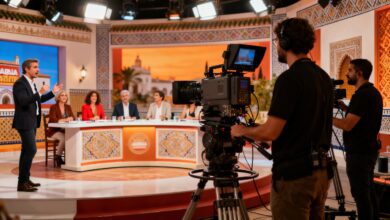
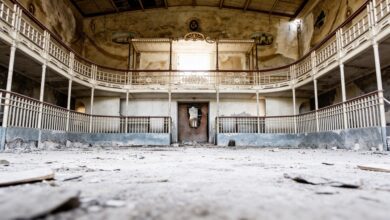
Additionally, extra funds were allocated for events celebrating the Immaculate Conception Day and San Fernando’s Day, the city’s patron. The budget also provides for the creation of three new museums: dedicated to Semana Santa, flamenco, and the history of Sevilla. To fund these projects, financing for the International Film Festival was cut.
Reaction and Consequences
Mayor José Luis Sanz insisted that the concessions are not ideological but simply part of routine political negotiations. He took the same stance last year, when passing the budget also required compromises with Vox. Then, as now, funding was increased for organizations opposing abortion, and a special support service for mothers, controlled by the far right, was created.
Seville’s total budget for 2026 amounts to €1,096,267,338.71, up 2.52% from the previous year. Priority areas include street cleaning, the condition of schools, and support for the Real Alcázar complex.
Political context
Unlike in previous years, this time the mayor had the option to approve the budget without Vox’s backing, using a vote of confidence procedure tied to budget approval. This mechanism had already been used two years ago and is allowed by law no more than twice per term, unless it is the final year in office. In 2024, Sanz had already used this tool, ensuring stability until the next municipal elections.
The regional PP leadership did not intervene in the negotiations this time as actively as it did a year ago. According to sources close to party leaders, the agreement with Vox in Seville should not negatively affect Andalusian president Juan Manuel Moreno’s position ahead of the regional elections, as similar deals were struck previously without any loss of support.