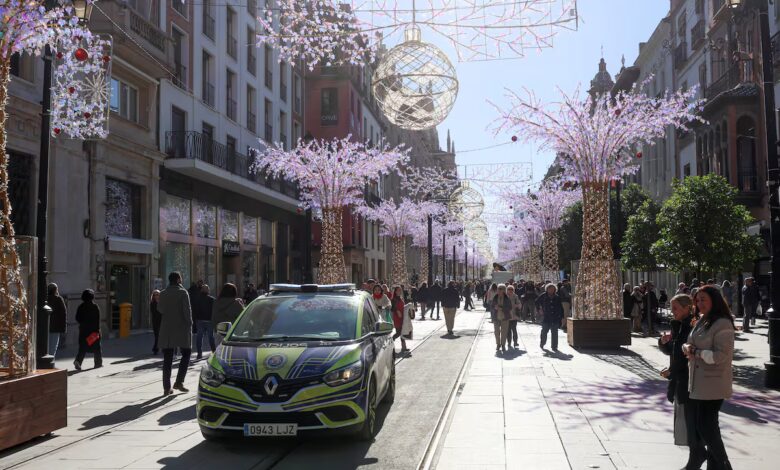
December in Sevilla began with an unexpected move by the city authorities: Mayor José Luís Sanz declared the first phase of a state of emergency. This decision followed the opposition’s block of a special plan to ensure public order during the Christmas holidays. Now, the city will be able to mobilize between 400 and 500 local police officers, deploying them in reinforced shifts starting this weekend, when Sevilla’s festive lights are turned on and the derby between Sevilla and Betis football clubs takes place.
The mayor explained that the city faces serious challenges: large gatherings, sporting events, and the traditional influx of visitors during Constitution Day and the Immaculate Conception. According to him, the administration had two options—implement minimum work standards or launch an emergency plan. They chose the latter to maximize flexibility and respond swiftly to changing situations.
Police step up patrols in emergency mode
Under the new directive, police officers will work in three shifts, adjusted to the needs of each day. The mayor stressed that demand will fluctuate—for example, on January 5, when the Three Kings parade takes place, more officers will be needed than at the start of the month. The state of emergency is expected to last until December 20, after which the traditional Christmas plan will take over and remain in place until January 6.
However, police unions voiced their dissatisfaction with the new measure. They had previously rejected the proposed holiday work plan, arguing that it failed to consider the interests of officers. Santiago Raposo, a representative of the Csif union, stated that the emergency plan does not require police officers to report for duty, since mass events and football matches are not classified as emergencies. According to him, only a quarter of the entire force is on duty during weekends, and the additional workload is not properly compensated.
Financial difficulties and political disagreements
One of the reasons for rejecting the special plan was a lack of funding. Its implementation would have required allocating 5.6 million euros from the 2026 budget, but the opposition blocked this proposal. As a result, city authorities were unable to guarantee overtime payment for holiday shifts. Furthermore, according to Raposo, the administration does not have city council authorization to pay for extra hours, and only 17,000 euros remain for this purpose.
During the municipal debate, the opposition criticized the outdated organization of police operations and accused city officials of excessively approving mass events. In their view, the current staff cannot cope with the increased demands, and working conditions are far from satisfactory.
Public response and outlook
The mayor’s decision has sparked widespread public debate. Many city residents are concerned about security measures during major gatherings and the influx of tourists. Unions insist that, without additional funding and a review of working conditions, effective police operations during the holidays cannot be guaranteed.
For their part, Seville authorities assure that they are taking every possible measure to maintain order and safety. However, the lack of consensus between the administration, police, and opposition has created a tense atmosphere ahead of one of the busiest times of the year. How the situation will unfold remains to be seen in the coming days.