In the first half of 2025, Spain has seen a sharp decline in interest in government home renovation support programs. Only 11,716 applications for subsidies were submitted over six months—that’s almost six times fewer than during the same period last year. Industry experts warn that such a rapid drop in requests may soon lead to a noticeable slowdown in the construction sector.
Aging housing stock and the threat of stagnation
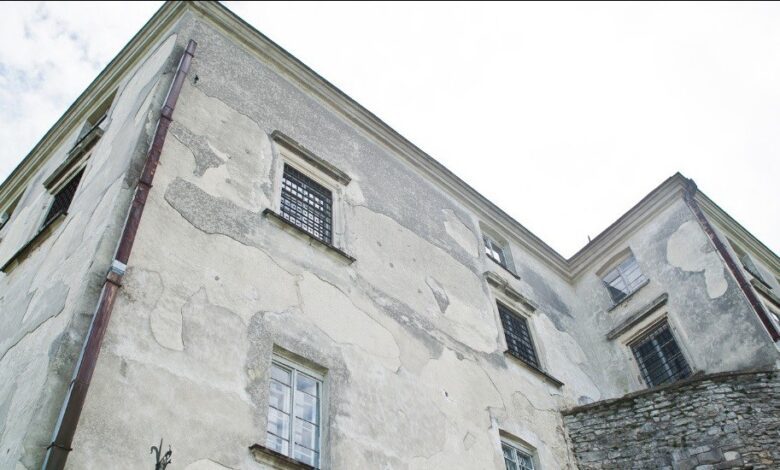
Nearly half of all residential properties in the country are buildings more than fifty years old, and this share is set to grow in the coming years. However, the pace of infrastructure renewal is far from meeting real needs: only about 27,000 homes are modernized each year in Spain, which is significantly below European standards and previous commitments to the EU.
European funds: expectation versus reality
Despite ambitious plans to attract European funding, the results have fallen short of forecasts. Initially, the goal was to renovate more than 400,000 properties by 2026, but by mid-2025, only 246,000 families had received assistance. Experts estimate this number will not exceed 320,000 by the end of the program—significantly below the stated targets.
Uncertainty over new support measures
Industry experts fear that the completion of current projects funded by European grants will lead to an even greater downturn. It remains unclear what the next stage of government support will look like: details of the new plan for 2026–2030 are still vague, and the timeline and funding amounts have not been announced. Market participants are urging the government to accelerate decision-making and clearly define the terms of future programs.
Potential consequences for the market and society
If the situation does not change, Spain risks facing widespread aging of its housing stock. This would not only worsen the quality of life for millions of citizens, but also increase maintenance and energy efficiency costs for homes. Experts warn that the country could miss a unique opportunity to revitalize its cities with the help of European investment. As a solution, it is proposed to extend the current programs and provide more information to the public about the benefits of home modernization.