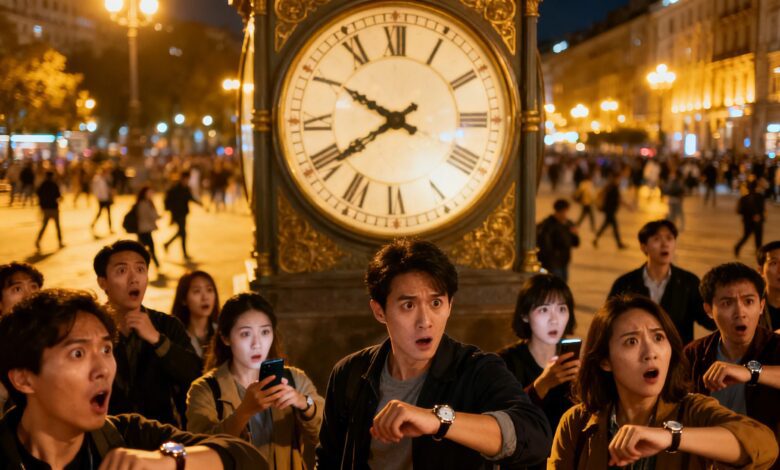
In the coming weeks, millions of Spaniards will face a change that will directly impact their daily lives. The switch to daylight saving time in Spain will once again reduce the night by one hour, sparking debates about the necessity of such measures. For many, this not only means losing part of their night’s rest, but also having to adapt to a new schedule that affects work, studies, and family plans.
According to the established procedure, on the night of March 28 to 29, clocks will be set forward by 60 minutes. At 2:00 a.m. official time, it will instantly become 3:00 a.m., and in the Canary Islands—from 1:00 to 2:00 a.m. This change means Sunday will be one hour shorter, and daylight hours will noticeably shift. According to russpain.com, such adjustments cause discontent among part of the population every year, especially among those sensitive to changes in sleep schedules.
Technical details
Most modern devices, such as smartphones, computers, and televisions, will automatically update the time through network protocols. However, owners of wall and wristwatches, as well as some household appliances, will need to adjust the time manually. This may cause confusion during the first few hours after the change, especially in families with children or elderly relatives.
In recent years, the debate over the need for seasonal time changes has intensified. Some experts argue that an extra hour of evening daylight helps save electricity and boosts mood, while others point to its negative impact on health and circadian rhythms. Despite the controversy, Spain continues to follow European regulations, which have not yet been repealed.
Impact on daily life
The time shift is especially noticeable in the first days after the change. Sunrise comes later, and daylight lasts longer into the evening, which can be convenient for walks and leisure. However, for early-morning workers and schoolchildren, this means darker mornings and possible difficulty waking up. In cities and along the coast, where daily life often follows daylight hours, these changes are felt most keenly.
In October, Spaniards will switch back to winter time when clocks are set back one hour. Until then, the country will remain on summer time, traditionally coinciding with increased street activity, more events, and a shift in the overall pace of life.
Context and past experience
Switching to daylight saving time is not a new practice for Spain. In recent years, such changes have regularly sparked discussions in society and among experts. In 2025, for example, after the clocks were adjusted, there was a noted increase in complaints about fatigue and decreased productivity in the first few days. In some regions, surveys were conducted on whether to keep the seasonal time change, but for now, the decision remains unchanged. European countries continue to debate the possible abolition of this practice, but no definitive decision has been made.